 https://treasuryxl.com/wp-content/uploads/2024/12/FIS-BLOGS-featured-4.png
200
200
treasuryXL
https://treasuryxl.com/wp-content/uploads/2018/07/treasuryXL-logo-300x56.png
treasuryXL2025-01-08 07:00:412025-01-07 10:39:33Unlocking Value: How TMS Delivers Measurable ROI for Corporate Treasury
https://treasuryxl.com/wp-content/uploads/2024/12/FIS-BLOGS-featured-4.png
200
200
treasuryXL
https://treasuryxl.com/wp-content/uploads/2018/07/treasuryXL-logo-300x56.png
treasuryXL2025-01-08 07:00:412025-01-07 10:39:33Unlocking Value: How TMS Delivers Measurable ROI for Corporate TreasuryFor corporate treasury, fraud and cybersecurity are direct threats to the company’s most liquid assets. The function’s access to payment systems and sensitive financial data makes it a prime target. Protection is not an IT issue alone; it is a core operational responsibility of the treasury department.
For corporate treasury, fraud and cybersecurity are direct threats to the company’s most liquid assets. The function’s access to payment systems and sensitive financial data makes it a prime target. Protection is not an IT issue alone; it is a core operational responsibility of the treasury department.
Primary Threats Targeting Treasury
Treasury faces specific, high-impact attack vectors:
-
Business Email Compromise (BEC / “CEO Fraud”): The most common and damaging threat. Criminals impersonate executives or trusted partners via email to authorize fraudulent wire transfers.
-
Payment Process Fraud: This includes internal fraud through the manipulation of payment files or vendor master data to divert funds, and external fraud through forged checks or intercepted electronic payments.
-
System Takeover: Attackers gain access to treasury’s bank portals or Treasury Management System (TMS) through stolen credentials or malware to initiate payments directly.
-
Data Breach & Espionage: Theft of confidential financial data, such as merger plans or bank account details, used for competitive advantage or to enable further fraud.
A Practical Defense Framework: The Three Lines of Control
Effective protection requires layered defenses across people, processes, and technology.
| Defense Layer | Key Treasury Controls & Actions |
|---|---|
| Process & Authorization | • Strict Payment Verification: Enforce a mandatory, out-of-band confirmation process (e.g., phone call-back) for all new or amended vendor details and high-value transactions. • Segregation of Duties: Ensure no single individual can initiate, approve, and reconcile payments. Separate TMS/Bank portal access rights accordingly. • Regular Audits: Conduct surprise audits of payment logs and vendor master files. |
| Technological Safeguards | • Multi-Factor Authentication (MFA): Require MFA for all access to bank portals, the TMS, and email systems. This is non-negotiable. • Payment Positive Pay: Use bank services that match check/ACH details against an issued file before clearing. • System Logging & Monitoring: Implement alerts for unusual activity (e.g., login from a new device, large payment batch creation). |
| Human Vigilance | • Targeted Training: Conduct regular, simulated phishing exercises and training focused on recognizing payment-related scams. • Clear Reporting Channels: Establish and communicate a simple, non-punitive process for employees to report suspicious emails or activity. • Vendor Due Diligence: Implement formal verification procedures for onboarding new vendors, especially those requesting electronic payments. |
Essential Actions for Incident Response
A prepared treasury department has a plan that is rehearsed:
-
Immediate Containment: Designated staff must know how to immediately contact banks to stop payments and freeze compromised accounts.
-
Preserve Evidence: Isolate affected systems without shutting them down to preserve forensic data. Document all steps taken.
-
Activate the Team: Have clear contacts for internal legal, communications, and external cybersecurity forensic experts.
-
Communicate with Precision: Follow a pre-defined protocol to inform senior management, law enforcement, and insurers without causing unnecessary public alarm.
In practice, treasury’s role is to build a culture of controlled skepticism. Every payment instruction, especially those requesting urgency or secrecy, must be verified. By embedding these controls into daily routines, treasury moves from being a vulnerable target to a secure guardian of corporate value.
Treasury faces specific, high-impact attack vectors:
-
Business Email Compromise (BEC / “CEO Fraud”): The most common and damaging threat. Criminals impersonate executives or trusted partners via email to authorize fraudulent wire transfers.
-
Payment Process Fraud: This includes internal fraud through the manipulation of payment files or vendor master data to divert funds, and external fraud through forged checks or intercepted electronic payments.
-
System Takeover: Attackers gain access to treasury’s bank portals or Treasury Management System (TMS) through stolen credentials or malware to initiate payments directly.
-
Data Breach & Espionage: Theft of confidential financial data, such as merger plans or bank account details, used for competitive advantage or to enable further fraud.
A Practical Defense Framework: The Three Lines of Control
Effective protection requires layered defenses across people, processes, and technology.
| Defense Layer | Key Treasury Controls & Actions |
|---|---|
| Process & Authorization | • Strict Payment Verification: Enforce a mandatory, out-of-band confirmation process (e.g., phone call-back) for all new or amended vendor details and high-value transactions. • Segregation of Duties: Ensure no single individual can initiate, approve, and reconcile payments. Separate TMS/Bank portal access rights accordingly. • Regular Audits: Conduct surprise audits of payment logs and vendor master files. |
| Technological Safeguards | • Multi-Factor Authentication (MFA): Require MFA for all access to bank portals, the TMS, and email systems. This is non-negotiable. • Payment Positive Pay: Use bank services that match check/ACH details against an issued file before clearing. • System Logging & Monitoring: Implement alerts for unusual activity (e.g., login from a new device, large payment batch creation). |
| Human Vigilance | • Targeted Training: Conduct regular, simulated phishing exercises and training focused on recognizing payment-related scams. • Clear Reporting Channels: Establish and communicate a simple, non-punitive process for employees to report suspicious emails or activity. • Vendor Due Diligence: Implement formal verification procedures for onboarding new vendors, especially those requesting electronic payments. |
Essential Actions for Incident Response
A prepared treasury department has a plan that is rehearsed:
-
Immediate Containment: Designated staff must know how to immediately contact banks to stop payments and freeze compromised accounts.
-
Preserve Evidence: Isolate affected systems without shutting them down to preserve forensic data. Document all steps taken.
-
Activate the Team: Have clear contacts for internal legal, communications, and external cybersecurity forensic experts.
-
Communicate with Precision: Follow a pre-defined protocol to inform senior management, law enforcement, and insurers without causing unnecessary public alarm.
In practice, treasury’s role is to build a culture of controlled skepticism. Every payment instruction, especially those requesting urgency or secrecy, must be verified. By embedding these controls into daily routines, treasury moves from being a vulnerable target to a secure guardian of corporate value.
Trusted partners to support you further
Click and Scroll! Here are more articles that you might like…
https://treasuryxl.com/wp-content/uploads/2024/12/FIS-BLOGS-featured-4.png
200
200
treasuryXL
https://treasuryxl.com/wp-content/uploads/2018/07/treasuryXL-logo-300x56.png
treasuryXL2025-01-08 07:00:412025-01-07 10:39:33Unlocking Value: How TMS Delivers Measurable ROI for Corporate Treasury https://treasuryxl.com/wp-content/uploads/2023/12/FDW-Digital-Finance-Summit-200.png
200
200
treasuryXL
https://treasuryxl.com/wp-content/uploads/2018/07/treasuryXL-logo-300x56.png
treasuryXL2023-12-13 07:00:282023-12-14 09:08:40Update Digital Finance Summit 2023
https://treasuryxl.com/wp-content/uploads/2023/12/FDW-Digital-Finance-Summit-200.png
200
200
treasuryXL
https://treasuryxl.com/wp-content/uploads/2018/07/treasuryXL-logo-300x56.png
treasuryXL2023-12-13 07:00:282023-12-14 09:08:40Update Digital Finance Summit 2023 https://treasuryxl.com/wp-content/uploads/2023/08/Poll-results-13.png
200
200
treasuryXL
https://treasuryxl.com/wp-content/uploads/2018/07/treasuryXL-logo-300x56.png
treasuryXL2023-08-22 12:00:412023-08-28 13:52:30Which Solution would enhance the Safety and Security of Financial Processes?
https://treasuryxl.com/wp-content/uploads/2023/08/Poll-results-13.png
200
200
treasuryXL
https://treasuryxl.com/wp-content/uploads/2018/07/treasuryXL-logo-300x56.png
treasuryXL2023-08-22 12:00:412023-08-28 13:52:30Which Solution would enhance the Safety and Security of Financial Processes? https://treasuryxl.com/wp-content/uploads/2022/05/eBook-gray.png
200
200
treasuryXL
https://treasuryxl.com/wp-content/uploads/2018/07/treasuryXL-logo-300x56.png
treasuryXL2023-02-23 08:00:492023-02-21 14:21:19Unlock Your Treasury Expertise Today – Download Our Free eBook!
https://treasuryxl.com/wp-content/uploads/2022/05/eBook-gray.png
200
200
treasuryXL
https://treasuryxl.com/wp-content/uploads/2018/07/treasuryXL-logo-300x56.png
treasuryXL2023-02-23 08:00:492023-02-21 14:21:19Unlock Your Treasury Expertise Today – Download Our Free eBook! https://treasuryxl.com/wp-content/uploads/2023/02/unlock-200x200-1.png
200
200
treasuryXL
https://treasuryxl.com/wp-content/uploads/2018/07/treasuryXL-logo-300x56.png
treasuryXL2023-02-14 07:00:082023-04-06 09:55:32LIVE SESSION | Unlock the Benefits of Interim Treasury Management
https://treasuryxl.com/wp-content/uploads/2023/02/unlock-200x200-1.png
200
200
treasuryXL
https://treasuryxl.com/wp-content/uploads/2018/07/treasuryXL-logo-300x56.png
treasuryXL2023-02-14 07:00:082023-04-06 09:55:32LIVE SESSION | Unlock the Benefits of Interim Treasury Management https://treasuryxl.com/wp-content/uploads/2023/02/eurofinance-200.png
200
200
treasuryXL
https://treasuryxl.com/wp-content/uploads/2018/07/treasuryXL-logo-300x56.png
treasuryXL2023-02-07 07:00:202023-02-06 10:33:56Effective Finance & Treasury in Africa | Eurofinance
https://treasuryxl.com/wp-content/uploads/2022/05/eBook-gray.png
200
200
treasuryXL
https://treasuryxl.com/wp-content/uploads/2018/07/treasuryXL-logo-300x56.png
treasuryXL2022-10-27 10:20:362022-10-27 10:29:22Brush up on your treasury knowledge? Get our eBook: What is Treasury?
https://treasuryxl.com/wp-content/uploads/2023/02/eurofinance-200.png
200
200
treasuryXL
https://treasuryxl.com/wp-content/uploads/2018/07/treasuryXL-logo-300x56.png
treasuryXL2023-02-07 07:00:202023-02-06 10:33:56Effective Finance & Treasury in Africa | Eurofinance
https://treasuryxl.com/wp-content/uploads/2022/05/eBook-gray.png
200
200
treasuryXL
https://treasuryxl.com/wp-content/uploads/2018/07/treasuryXL-logo-300x56.png
treasuryXL2022-10-27 10:20:362022-10-27 10:29:22Brush up on your treasury knowledge? Get our eBook: What is Treasury?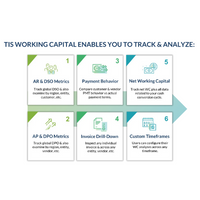 https://treasuryxl.com/wp-content/uploads/2022/10/tis-200-27e.png
200
200
treasuryXL
https://treasuryxl.com/wp-content/uploads/2018/07/treasuryXL-logo-300x56.png
treasuryXL2022-10-27 07:00:212022-10-24 15:36:03Understanding the Importance of Working Capital for Treasury
https://treasuryxl.com/wp-content/uploads/2022/10/tis-200-27e.png
200
200
treasuryXL
https://treasuryxl.com/wp-content/uploads/2018/07/treasuryXL-logo-300x56.png
treasuryXL2022-10-27 07:00:212022-10-24 15:36:03Understanding the Importance of Working Capital for Treasury https://treasuryxl.com/wp-content/uploads/2022/10/Pieter-Vienna.png
200
200
treasuryXL
https://treasuryxl.com/wp-content/uploads/2018/07/treasuryXL-logo-300x56.png
treasuryXL2022-10-12 14:42:432023-01-02 14:17:36Eurofinance remains THE event for corporate treasurers | By Pieter de Kiewit
https://treasuryxl.com/wp-content/uploads/2022/10/Pieter-Vienna.png
200
200
treasuryXL
https://treasuryxl.com/wp-content/uploads/2018/07/treasuryXL-logo-300x56.png
treasuryXL2022-10-12 14:42:432023-01-02 14:17:36Eurofinance remains THE event for corporate treasurers | By Pieter de Kiewit https://treasuryxl.com/wp-content/uploads/2022/09/tis-200-podcast.png
200
200
treasuryXL
https://treasuryxl.com/wp-content/uploads/2018/07/treasuryXL-logo-300x56.png
treasuryXL2022-10-06 07:00:592022-10-05 15:02:45Don’t miss the latest episode of TIS’ Payments Hub Podcast!
https://treasuryxl.com/wp-content/uploads/2022/09/tis-200-podcast.png
200
200
treasuryXL
https://treasuryxl.com/wp-content/uploads/2018/07/treasuryXL-logo-300x56.png
treasuryXL2022-10-06 07:00:592022-10-05 15:02:45Don’t miss the latest episode of TIS’ Payments Hub Podcast! https://treasuryxl.com/wp-content/uploads/2022/09/WEBINAR.png
200
200
treasuryXL
https://treasuryxl.com/wp-content/uploads/2018/07/treasuryXL-logo-300x56.png
treasuryXL2022-09-29 07:00:452023-01-02 14:17:59LIVE SESSION | My Treasury Career Development & How the Register Treasurer education contributed
https://treasuryxl.com/wp-content/uploads/2022/09/WEBINAR.png
200
200
treasuryXL
https://treasuryxl.com/wp-content/uploads/2018/07/treasuryXL-logo-300x56.png
treasuryXL2022-09-29 07:00:452023-01-02 14:17:59LIVE SESSION | My Treasury Career Development & How the Register Treasurer education contributed https://treasuryxl.com/wp-content/uploads/2022/09/tis-facstheet-200.png
200
200
treasuryXL
https://treasuryxl.com/wp-content/uploads/2018/07/treasuryXL-logo-300x56.png
treasuryXL2022-09-21 07:00:172022-09-19 11:56:37Factsheet: The TIS Solution Suite
https://treasuryxl.com/wp-content/uploads/2022/09/tis-facstheet-200.png
200
200
treasuryXL
https://treasuryxl.com/wp-content/uploads/2018/07/treasuryXL-logo-300x56.png
treasuryXL2022-09-21 07:00:172022-09-19 11:56:37Factsheet: The TIS Solution Suite https://treasuryxl.com/wp-content/uploads/2022/09/blog-pieter-19e-200.png
200
200
treasuryXL
https://treasuryxl.com/wp-content/uploads/2018/07/treasuryXL-logo-300x56.png
treasuryXL2022-09-19 07:00:032023-01-02 14:18:20Where did the treasury applicants go? | By Pieter de Kiewit
https://treasuryxl.com/wp-content/uploads/2022/09/blog-pieter-19e-200.png
200
200
treasuryXL
https://treasuryxl.com/wp-content/uploads/2018/07/treasuryXL-logo-300x56.png
treasuryXL2022-09-19 07:00:032023-01-02 14:18:20Where did the treasury applicants go? | By Pieter de Kiewit https://treasuryxl.com/wp-content/uploads/2022/08/kyriba-200-23e.png
200
200
treasuryXL
https://treasuryxl.com/wp-content/uploads/2018/07/treasuryXL-logo-300x56.png
treasuryXL2022-09-12 07:00:262022-09-08 16:49:27Could Stablecoins Drive Payment Innovation?
https://treasuryxl.com/wp-content/uploads/2022/05/eBook-gray.png
200
200
treasuryXL
https://treasuryxl.com/wp-content/uploads/2018/07/treasuryXL-logo-300x56.png
treasuryXL2022-09-08 11:40:442022-09-08 11:59:28Quickly refresh your treasury knowledge? Download our eBook: What is Treasury?
https://treasuryxl.com/wp-content/uploads/2022/08/kyriba-200-23e.png
200
200
treasuryXL
https://treasuryxl.com/wp-content/uploads/2018/07/treasuryXL-logo-300x56.png
treasuryXL2022-09-12 07:00:262022-09-08 16:49:27Could Stablecoins Drive Payment Innovation?
https://treasuryxl.com/wp-content/uploads/2022/05/eBook-gray.png
200
200
treasuryXL
https://treasuryxl.com/wp-content/uploads/2018/07/treasuryXL-logo-300x56.png
treasuryXL2022-09-08 11:40:442022-09-08 11:59:28Quickly refresh your treasury knowledge? Download our eBook: What is Treasury? https://treasuryxl.com/wp-content/uploads/2022/09/Cash-and-Treasurer-featured-200x200-1.png
200
200
treasuryXL
https://treasuryxl.com/wp-content/uploads/2018/07/treasuryXL-logo-300x56.png
treasuryXL2022-09-06 11:00:102022-09-06 12:46:51RECAP | Cash and Treasury Management Event Copenhagen | By Pieter de Kiewit
https://treasuryxl.com/wp-content/uploads/2022/09/Cash-and-Treasurer-featured-200x200-1.png
200
200
treasuryXL
https://treasuryxl.com/wp-content/uploads/2018/07/treasuryXL-logo-300x56.png
treasuryXL2022-09-06 11:00:102022-09-06 12:46:51RECAP | Cash and Treasury Management Event Copenhagen | By Pieter de Kiewit https://treasuryxl.com/wp-content/uploads/2022/09/tis-facsheet-200.png
200
200
treasuryXL
https://treasuryxl.com/wp-content/uploads/2018/07/treasuryXL-logo-300x56.png
treasuryXL2022-09-05 07:00:522022-09-01 09:56:33Get to Know TIS
https://treasuryxl.com/wp-content/uploads/2022/09/tis-facsheet-200.png
200
200
treasuryXL
https://treasuryxl.com/wp-content/uploads/2018/07/treasuryXL-logo-300x56.png
treasuryXL2022-09-05 07:00:522022-09-01 09:56:33Get to Know TIS https://treasuryxl.com/wp-content/uploads/2022/08/kyriba-200x-8-aug.png
200
200
treasuryXL
https://treasuryxl.com/wp-content/uploads/2018/07/treasuryXL-logo-300x56.png
treasuryXL2022-08-08 07:00:032022-08-05 10:12:32What Does Real-time Connectivity Mean for Your Organization?
https://treasuryxl.com/wp-content/uploads/2022/08/kyriba-200x-8-aug.png
200
200
treasuryXL
https://treasuryxl.com/wp-content/uploads/2018/07/treasuryXL-logo-300x56.png
treasuryXL2022-08-08 07:00:032022-08-05 10:12:32What Does Real-time Connectivity Mean for Your Organization? https://treasuryxl.com/wp-content/uploads/2022/08/22cash-featured-200x200px4.jpg
200
200
treasuryXL
https://treasuryxl.com/wp-content/uploads/2018/07/treasuryXL-logo-300x56.png
treasuryXL2022-08-04 09:21:162022-08-04 09:21:16Cash & Treasury Management: Join The World’s Leading Experts in Copenhagen
https://treasuryxl.com/wp-content/uploads/2022/08/22cash-featured-200x200px4.jpg
200
200
treasuryXL
https://treasuryxl.com/wp-content/uploads/2018/07/treasuryXL-logo-300x56.png
treasuryXL2022-08-04 09:21:162022-08-04 09:21:16Cash & Treasury Management: Join The World’s Leading Experts in Copenhagen https://treasuryxl.com/wp-content/uploads/2022/07/tis-200-28-7.png
200
200
treasuryXL
https://treasuryxl.com/wp-content/uploads/2018/07/treasuryXL-logo-300x56.png
treasuryXL2022-07-28 07:00:282022-08-08 14:23:13The State of Treasury in 2022: Research Summary
https://treasuryxl.com/wp-content/uploads/2022/07/tis-200-28-7.png
200
200
treasuryXL
https://treasuryxl.com/wp-content/uploads/2018/07/treasuryXL-logo-300x56.png
treasuryXL2022-07-28 07:00:282022-08-08 14:23:13The State of Treasury in 2022: Research Summary https://treasuryxl.com/wp-content/uploads/2022/06/kyriba-200-21e.png
200
200
treasuryXL
https://treasuryxl.com/wp-content/uploads/2018/07/treasuryXL-logo-300x56.png
treasuryXL2022-06-21 07:00:332022-06-16 15:27:50Perfecting the Cash Forecast
https://treasuryxl.com/wp-content/uploads/2022/06/kyriba-200-21e.png
200
200
treasuryXL
https://treasuryxl.com/wp-content/uploads/2018/07/treasuryXL-logo-300x56.png
treasuryXL2022-06-21 07:00:332022-06-16 15:27:50Perfecting the Cash Forecast https://treasuryxl.com/wp-content/uploads/2021/06/TIS_new-logo.png
200
200
treasuryXL
https://treasuryxl.com/wp-content/uploads/2018/07/treasuryXL-logo-300x56.png
treasuryXL2022-06-15 07:00:042022-06-13 09:22:37Build vs Buy: How Should Treasury Teams Upgrade Their Bank Connectivity & Payments Stack?
https://treasuryxl.com/wp-content/uploads/2021/06/TIS_new-logo.png
200
200
treasuryXL
https://treasuryxl.com/wp-content/uploads/2018/07/treasuryXL-logo-300x56.png
treasuryXL2022-06-15 07:00:042022-06-13 09:22:37Build vs Buy: How Should Treasury Teams Upgrade Their Bank Connectivity & Payments Stack? https://treasuryxl.com/wp-content/uploads/2022/06/treasuryXL-200x200-1.jpg
200
200
treasuryXL
https://treasuryxl.com/wp-content/uploads/2018/07/treasuryXL-logo-300x56.png
treasuryXL2022-06-13 07:00:552022-06-10 11:50:23Treasury in transition – explore the agenda for EuroFinance International Treasury Management
https://treasuryxl.com/wp-content/uploads/2022/06/treasuryXL-200x200-1.jpg
200
200
treasuryXL
https://treasuryxl.com/wp-content/uploads/2018/07/treasuryXL-logo-300x56.png
treasuryXL2022-06-13 07:00:552022-06-10 11:50:23Treasury in transition – explore the agenda for EuroFinance International Treasury Management https://treasuryxl.com/wp-content/uploads/2022/06/reminder-webinar.png
200
200
treasuryXL
https://treasuryxl.com/wp-content/uploads/2018/07/treasuryXL-logo-300x56.png
treasuryXL2022-06-06 07:00:242022-06-02 15:49:29REMINDER WEBINAR | The Evolution of Open banking, Connectivity and Real time: How will APIs change the Treasurer’s daily life?
https://treasuryxl.com/wp-content/uploads/2022/06/reminder-webinar.png
200
200
treasuryXL
https://treasuryxl.com/wp-content/uploads/2018/07/treasuryXL-logo-300x56.png
treasuryXL2022-06-06 07:00:242022-06-02 15:49:29REMINDER WEBINAR | The Evolution of Open banking, Connectivity and Real time: How will APIs change the Treasurer’s daily life? https://treasuryxl.com/wp-content/uploads/2022/05/Kyriba-session-June-14.png
200
200
treasuryXL
https://treasuryxl.com/wp-content/uploads/2018/07/treasuryXL-logo-300x56.png
treasuryXL2022-05-27 12:08:072022-05-27 12:08:07LIVE SESSION | The Evolution of Open banking, Connectivity and Real time: How will APIs change the Treasurer’s daily life?
https://treasuryxl.com/wp-content/uploads/2022/05/Kyriba-session-June-14.png
200
200
treasuryXL
https://treasuryxl.com/wp-content/uploads/2018/07/treasuryXL-logo-300x56.png
treasuryXL2022-05-27 12:08:072022-05-27 12:08:07LIVE SESSION | The Evolution of Open banking, Connectivity and Real time: How will APIs change the Treasurer’s daily life? https://treasuryxl.com/wp-content/uploads/2022/05/Kopie-van-urdtt-ep-3-200.png
200
200
treasuryXL
https://treasuryxl.com/wp-content/uploads/2018/07/treasuryXL-logo-300x56.png
treasuryXL2022-05-25 07:00:432023-07-05 09:35:23Digital rules (URDTT) for Trade Finance: Episode 4
https://treasuryxl.com/wp-content/uploads/2022/05/Kopie-van-urdtt-ep-3-200.png
200
200
treasuryXL
https://treasuryxl.com/wp-content/uploads/2018/07/treasuryXL-logo-300x56.png
treasuryXL2022-05-25 07:00:432023-07-05 09:35:23Digital rules (URDTT) for Trade Finance: Episode 4 https://treasuryxl.com/wp-content/uploads/2020/05/xe-22-5-200x200-1.png
200
200
treasuryXL
https://treasuryxl.com/wp-content/uploads/2018/07/treasuryXL-logo-300x56.png
treasuryXL2022-05-22 07:00:542023-05-16 15:49:05The Most Common Questions About Money Transfer
https://treasuryxl.com/wp-content/uploads/2020/05/xe-22-5-200x200-1.png
200
200
treasuryXL
https://treasuryxl.com/wp-content/uploads/2018/07/treasuryXL-logo-300x56.png
treasuryXL2022-05-22 07:00:542023-05-16 15:49:05The Most Common Questions About Money Transfer https://treasuryxl.com/wp-content/uploads/2022/05/kyriba-200-19e.png
200
200
treasuryXL
https://treasuryxl.com/wp-content/uploads/2018/07/treasuryXL-logo-300x56.png
treasuryXL2022-05-19 07:00:492023-06-28 09:39:49The Role of APIs in Strategic Cash Forecasting
https://treasuryxl.com/wp-content/uploads/2022/05/kyriba-200-19e.png
200
200
treasuryXL
https://treasuryxl.com/wp-content/uploads/2018/07/treasuryXL-logo-300x56.png
treasuryXL2022-05-19 07:00:492023-06-28 09:39:49The Role of APIs in Strategic Cash Forecasting https://treasuryxl.com/wp-content/uploads/2022/05/tis-200-17e.png
200
200
treasuryXL
https://treasuryxl.com/wp-content/uploads/2018/07/treasuryXL-logo-300x56.png
treasuryXL2022-05-17 07:00:062022-05-16 12:04:23Fraud Check Up
https://treasuryxl.com/wp-content/uploads/2022/05/eBook-gray.png
200
200
treasuryXL
https://treasuryxl.com/wp-content/uploads/2018/07/treasuryXL-logo-300x56.png
treasuryXL2022-05-16 07:00:382022-08-15 14:52:05Subscribe and receive your 41 pages ‘easy-to-read’ eBook, What is Treasury?
https://treasuryxl.com/wp-content/uploads/2022/05/tis-200-17e.png
200
200
treasuryXL
https://treasuryxl.com/wp-content/uploads/2018/07/treasuryXL-logo-300x56.png
treasuryXL2022-05-17 07:00:062022-05-16 12:04:23Fraud Check Up
https://treasuryxl.com/wp-content/uploads/2022/05/eBook-gray.png
200
200
treasuryXL
https://treasuryxl.com/wp-content/uploads/2018/07/treasuryXL-logo-300x56.png
treasuryXL2022-05-16 07:00:382022-08-15 14:52:05Subscribe and receive your 41 pages ‘easy-to-read’ eBook, What is Treasury? https://treasuryxl.com/wp-content/uploads/2022/05/EuroFinance-22.jpg
200
200
treasuryXL
https://treasuryxl.com/wp-content/uploads/2018/07/treasuryXL-logo-300x56.png
treasuryXL2022-05-09 07:00:212022-05-05 16:46:44The world’s largest treasury event is returning to Vienna in September | 10% discount via treasuryXL
https://treasuryxl.com/wp-content/uploads/2022/05/EuroFinance-22.jpg
200
200
treasuryXL
https://treasuryxl.com/wp-content/uploads/2018/07/treasuryXL-logo-300x56.png
treasuryXL2022-05-09 07:00:212022-05-05 16:46:44The world’s largest treasury event is returning to Vienna in September | 10% discount via treasuryXL https://treasuryxl.com/wp-content/uploads/2022/04/kyriba-21e-200.png
200
200
treasuryXL
https://treasuryxl.com/wp-content/uploads/2018/07/treasuryXL-logo-300x56.png
treasuryXL2022-04-21 07:00:212022-04-21 09:00:33Effective API Strategies Go Beyond Banks & Payments
https://treasuryxl.com/wp-content/uploads/2022/04/kyriba-21e-200.png
200
200
treasuryXL
https://treasuryxl.com/wp-content/uploads/2018/07/treasuryXL-logo-300x56.png
treasuryXL2022-04-21 07:00:212022-04-21 09:00:33Effective API Strategies Go Beyond Banks & Payments https://treasuryxl.com/wp-content/uploads/2022/04/FSM-Banner-200x200-Englisch-v01-MN-2022-03-03.jpg
200
200
treasuryXL
https://treasuryxl.com/wp-content/uploads/2018/07/treasuryXL-logo-300x56.png
treasuryXL2022-04-20 12:05:102022-04-20 12:07:30Attend the 33rd Finance Symposium | 18-20 May 2022 | Mannheim
https://treasuryxl.com/wp-content/uploads/2022/04/FSM-Banner-200x200-Englisch-v01-MN-2022-03-03.jpg
200
200
treasuryXL
https://treasuryxl.com/wp-content/uploads/2018/07/treasuryXL-logo-300x56.png
treasuryXL2022-04-20 12:05:102022-04-20 12:07:30Attend the 33rd Finance Symposium | 18-20 May 2022 | Mannheim https://treasuryxl.com/wp-content/uploads/2022/04/eBook-200x200-1.png
200
200
treasuryXL
https://treasuryxl.com/wp-content/uploads/2018/07/treasuryXL-logo-300x56.png
treasuryXL2022-04-13 07:00:192023-02-07 14:23:00Your free eBook, What is Treasury?
https://treasuryxl.com/wp-content/uploads/2022/04/eBook-200x200-1.png
200
200
treasuryXL
https://treasuryxl.com/wp-content/uploads/2018/07/treasuryXL-logo-300x56.png
treasuryXL2022-04-13 07:00:192023-02-07 14:23:00Your free eBook, What is Treasury? https://treasuryxl.com/wp-content/uploads/2021/07/EuroFinance-pp.png
200
200
treasuryXL
https://treasuryxl.com/wp-content/uploads/2018/07/treasuryXL-logo-300x56.png
treasuryXL2022-04-08 12:16:452022-04-11 17:11:22EuroFinance International Treasury Management returns to Vienna | 21-23 September 2022
https://treasuryxl.com/wp-content/uploads/2021/07/EuroFinance-pp.png
200
200
treasuryXL
https://treasuryxl.com/wp-content/uploads/2018/07/treasuryXL-logo-300x56.png
treasuryXL2022-04-08 12:16:452022-04-11 17:11:22EuroFinance International Treasury Management returns to Vienna | 21-23 September 2022 https://treasuryxl.com/wp-content/uploads/2022/03/kyriba-23e-200.png
200
200
treasuryXL
https://treasuryxl.com/wp-content/uploads/2018/07/treasuryXL-logo-300x56.png
treasuryXL2022-03-23 07:00:252022-03-22 15:36:00When Is the Right Time to Move to APIs?
https://treasuryxl.com/wp-content/uploads/2022/03/kyriba-23e-200.png
200
200
treasuryXL
https://treasuryxl.com/wp-content/uploads/2018/07/treasuryXL-logo-300x56.png
treasuryXL2022-03-23 07:00:252022-03-22 15:36:00When Is the Right Time to Move to APIs? https://treasuryxl.com/wp-content/uploads/2022/03/urdtt-ep-3-200.png
200
200
treasuryXL
https://treasuryxl.com/wp-content/uploads/2018/07/treasuryXL-logo-300x56.png
treasuryXL2022-03-17 07:00:012023-07-05 09:35:37Digital rules (URDTT) for Trade Finance: Episode 3
https://treasuryxl.com/wp-content/uploads/2022/03/urdtt-ep-3-200.png
200
200
treasuryXL
https://treasuryxl.com/wp-content/uploads/2018/07/treasuryXL-logo-300x56.png
treasuryXL2022-03-17 07:00:012023-07-05 09:35:37Digital rules (URDTT) for Trade Finance: Episode 3 https://treasuryxl.com/wp-content/uploads/2022/02/Manual-Payments-Webinar-200-x-200-V2-1.png
200
200
treasuryXL
https://treasuryxl.com/wp-content/uploads/2018/07/treasuryXL-logo-300x56.png
treasuryXL2022-03-03 07:00:332022-12-29 13:07:40Live Webinar on March 10: A to Z of Secure Corporate Treasury Payments
https://treasuryxl.com/wp-content/uploads/2022/02/Manual-Payments-Webinar-200-x-200-V2-1.png
200
200
treasuryXL
https://treasuryxl.com/wp-content/uploads/2018/07/treasuryXL-logo-300x56.png
treasuryXL2022-03-03 07:00:332022-12-29 13:07:40Live Webinar on March 10: A to Z of Secure Corporate Treasury Payments https://treasuryxl.com/wp-content/uploads/2022/02/Website-200x200-1.jpg
200
200
treasuryXL
https://treasuryxl.com/wp-content/uploads/2018/07/treasuryXL-logo-300x56.png
treasuryXL2022-02-23 09:45:452022-02-22 16:16:43Effective Finance & Treasury in Africa event run by EuroFinance | London
https://treasuryxl.com/wp-content/uploads/2022/02/Website-200x200-1.jpg
200
200
treasuryXL
https://treasuryxl.com/wp-content/uploads/2018/07/treasuryXL-logo-300x56.png
treasuryXL2022-02-23 09:45:452022-02-22 16:16:43Effective Finance & Treasury in Africa event run by EuroFinance | London https://treasuryxl.com/wp-content/uploads/2022/02/DT-wim.png
200
200
treasuryXL
https://treasuryxl.com/wp-content/uploads/2018/07/treasuryXL-logo-300x56.png
treasuryXL2022-02-22 07:00:272022-02-22 15:48:51The Evolution of Legal Documents, The Next Step
https://treasuryxl.com/wp-content/uploads/2022/02/DT-wim.png
200
200
treasuryXL
https://treasuryxl.com/wp-content/uploads/2018/07/treasuryXL-logo-300x56.png
treasuryXL2022-02-22 07:00:272022-02-22 15:48:51The Evolution of Legal Documents, The Next Step https://treasuryxl.com/wp-content/uploads/2022/02/URDTT-200x.png
200
200
treasuryXL
https://treasuryxl.com/wp-content/uploads/2018/07/treasuryXL-logo-300x56.png
treasuryXL2022-02-10 07:00:002023-06-27 10:28:17Digital rules (URDTT) for Trade Finance: Episode 2
https://treasuryxl.com/wp-content/uploads/2022/02/URDTT-200x.png
200
200
treasuryXL
https://treasuryxl.com/wp-content/uploads/2018/07/treasuryXL-logo-300x56.png
treasuryXL2022-02-10 07:00:002023-06-27 10:28:17Digital rules (URDTT) for Trade Finance: Episode 2 https://treasuryxl.com/wp-content/uploads/2022/02/3-ways-to-prevent-corporate-treasury-fraud-blog-thumbnail-e1644333785367.png
200
200
treasuryXL
https://treasuryxl.com/wp-content/uploads/2018/07/treasuryXL-logo-300x56.png
treasuryXL2022-02-09 07:00:222023-03-23 16:42:34Corporate Treasury: 3 ways to prevent fraud risk in one-time vendor payments
https://treasuryxl.com/wp-content/uploads/2022/02/3-ways-to-prevent-corporate-treasury-fraud-blog-thumbnail-e1644333785367.png
200
200
treasuryXL
https://treasuryxl.com/wp-content/uploads/2018/07/treasuryXL-logo-300x56.png
treasuryXL2022-02-09 07:00:222023-03-23 16:42:34Corporate Treasury: 3 ways to prevent fraud risk in one-time vendor payments https://treasuryxl.com/wp-content/uploads/2022/01/kyriba-200-1.png
200
200
treasuryXL
https://treasuryxl.com/wp-content/uploads/2018/07/treasuryXL-logo-300x56.png
treasuryXL2022-01-24 07:00:172022-12-29 14:37:11Digital Payments Transformation for 2022
https://treasuryxl.com/wp-content/uploads/2022/01/kyriba-200-1.png
200
200
treasuryXL
https://treasuryxl.com/wp-content/uploads/2018/07/treasuryXL-logo-300x56.png
treasuryXL2022-01-24 07:00:172022-12-29 14:37:11Digital Payments Transformation for 2022 https://treasuryxl.com/wp-content/uploads/2022/01/Episode-1-URDTT_thumb.png
200
200
treasuryXL
https://treasuryxl.com/wp-content/uploads/2018/07/treasuryXL-logo-300x56.png
treasuryXL2022-01-10 07:00:532023-06-27 10:28:25Digital rules (URDTT) for Trade Finance: What, How and When?
https://treasuryxl.com/wp-content/uploads/2022/01/Episode-1-URDTT_thumb.png
200
200
treasuryXL
https://treasuryxl.com/wp-content/uploads/2018/07/treasuryXL-logo-300x56.png
treasuryXL2022-01-10 07:00:532023-06-27 10:28:25Digital rules (URDTT) for Trade Finance: What, How and When? https://treasuryxl.com/wp-content/uploads/2021/12/kyriba-200-14-12.png
200
200
treasuryXL
https://treasuryxl.com/wp-content/uploads/2018/07/treasuryXL-logo-300x56.png
treasuryXL2021-12-15 07:00:372022-12-29 13:55:15Currency Volatility Is A Catalyst for Response by Treasury
https://treasuryxl.com/wp-content/uploads/2021/12/kyriba-200-14-12.png
200
200
treasuryXL
https://treasuryxl.com/wp-content/uploads/2018/07/treasuryXL-logo-300x56.png
treasuryXL2021-12-15 07:00:372022-12-29 13:55:15Currency Volatility Is A Catalyst for Response by Treasury https://treasuryxl.com/wp-content/uploads/2021/11/wim-kok-200.png
200
200
treasuryXL
https://treasuryxl.com/wp-content/uploads/2018/07/treasuryXL-logo-300x56.png
treasuryXL2021-11-23 07:00:432023-06-27 10:28:33Trade Finance for Treasurers
https://treasuryxl.com/wp-content/uploads/2021/11/wim-kok-200.png
200
200
treasuryXL
https://treasuryxl.com/wp-content/uploads/2018/07/treasuryXL-logo-300x56.png
treasuryXL2021-11-23 07:00:432023-06-27 10:28:33Trade Finance for Treasurers https://treasuryxl.com/wp-content/uploads/2021/11/eurofinance-200.png
200
200
treasuryXL
https://treasuryxl.com/wp-content/uploads/2018/07/treasuryXL-logo-300x56.png
treasuryXL2021-11-15 07:00:252021-11-15 08:53:28Changing priorities of corporate treasurers post-pandemic
https://treasuryxl.com/wp-content/uploads/2021/11/eurofinance-200.png
200
200
treasuryXL
https://treasuryxl.com/wp-content/uploads/2018/07/treasuryXL-logo-300x56.png
treasuryXL2021-11-15 07:00:252021-11-15 08:53:28Changing priorities of corporate treasurers post-pandemic https://treasuryxl.com/wp-content/uploads/2021/10/News-Feature-2.png
200
200
treasuryXL
https://treasuryxl.com/wp-content/uploads/2018/07/treasuryXL-logo-300x56.png
treasuryXL2021-10-27 07:00:312022-12-29 13:29:50Kyriba Fact Sheet – Payment Errors & Compliance Violations
https://treasuryxl.com/wp-content/uploads/2021/10/News-Feature-2.png
200
200
treasuryXL
https://treasuryxl.com/wp-content/uploads/2018/07/treasuryXL-logo-300x56.png
treasuryXL2021-10-27 07:00:312022-12-29 13:29:50Kyriba Fact Sheet – Payment Errors & Compliance Violations https://treasuryxl.com/wp-content/uploads/2021/10/News-Feature-1.png
200
200
treasuryXL
https://treasuryxl.com/wp-content/uploads/2018/07/treasuryXL-logo-300x56.png
treasuryXL2021-10-25 07:00:132022-12-29 13:20:36Kyriba Unlocks Access to $15 Trillion Payment Network with Launch of Open API Platform
https://treasuryxl.com/wp-content/uploads/2021/10/News-Feature-1.png
200
200
treasuryXL
https://treasuryxl.com/wp-content/uploads/2018/07/treasuryXL-logo-300x56.png
treasuryXL2021-10-25 07:00:132022-12-29 13:20:36Kyriba Unlocks Access to $15 Trillion Payment Network with Launch of Open API Platform https://treasuryxl.com/wp-content/uploads/2021/05/EuroFinance-2021_.jpg
200
200
treasuryXL
https://treasuryxl.com/wp-content/uploads/2018/07/treasuryXL-logo-300x56.png
treasuryXL2021-09-22 07:00:222021-08-11 15:04:41Your Last Call | International Treasury Management Virtual Week | September 27 – October 1
https://treasuryxl.com/wp-content/uploads/2021/05/EuroFinance-2021_.jpg
200
200
treasuryXL
https://treasuryxl.com/wp-content/uploads/2018/07/treasuryXL-logo-300x56.png
treasuryXL2021-09-22 07:00:222021-08-11 15:04:41Your Last Call | International Treasury Management Virtual Week | September 27 – October 1 https://treasuryxl.com/wp-content/uploads/2021/09/kyriba-200.png
200
200
treasuryXL
https://treasuryxl.com/wp-content/uploads/2018/07/treasuryXL-logo-300x56.png
treasuryXL2021-09-20 07:00:202021-09-17 09:27:37Readying Treasury for Hybrid Work
https://treasuryxl.com/wp-content/uploads/2021/09/kyriba-200.png
200
200
treasuryXL
https://treasuryxl.com/wp-content/uploads/2018/07/treasuryXL-logo-300x56.png
treasuryXL2021-09-20 07:00:202021-09-17 09:27:37Readying Treasury for Hybrid Work https://treasuryxl.com/wp-content/uploads/2021/09/Kyriba-featured-image-report.png
200
200
treasuryXL
https://treasuryxl.com/wp-content/uploads/2018/07/treasuryXL-logo-300x56.png
treasuryXL2021-09-06 07:00:022022-12-29 13:56:01Strategic Treasurer’s Analyst Report Series: Treasury and Risk Management Systems
https://treasuryxl.com/wp-content/uploads/2021/09/Kyriba-featured-image-report.png
200
200
treasuryXL
https://treasuryxl.com/wp-content/uploads/2018/07/treasuryXL-logo-300x56.png
treasuryXL2021-09-06 07:00:022022-12-29 13:56:01Strategic Treasurer’s Analyst Report Series: Treasury and Risk Management Systems https://treasuryxl.com/wp-content/uploads/2021/08/fraud-post.png
200
200
treasuryXL
https://treasuryxl.com/wp-content/uploads/2018/07/treasuryXL-logo-300x56.png
treasuryXL2021-08-23 07:00:302022-12-29 13:58:33A Culture of Fraud Prevention: It’s Everyone’s Responsibility
https://treasuryxl.com/wp-content/uploads/2021/08/fraud-post.png
200
200
treasuryXL
https://treasuryxl.com/wp-content/uploads/2018/07/treasuryXL-logo-300x56.png
treasuryXL2021-08-23 07:00:302022-12-29 13:58:33A Culture of Fraud Prevention: It’s Everyone’s Responsibility https://treasuryxl.com/wp-content/uploads/2021/07/Pearls.png
200
200
treasuryXL
https://treasuryxl.com/wp-content/uploads/2018/07/treasuryXL-logo-300x56.png
treasuryXL2021-08-03 07:00:482022-12-29 14:08:22Cloudiness in Libor Transition?
https://treasuryxl.com/wp-content/uploads/2021/07/Pearls.png
200
200
treasuryXL
https://treasuryxl.com/wp-content/uploads/2018/07/treasuryXL-logo-300x56.png
treasuryXL2021-08-03 07:00:482022-12-29 14:08:22Cloudiness in Libor Transition? https://treasuryxl.com/wp-content/uploads/2021/07/Kantox-Press-Release.png
200
200
treasuryXL
https://treasuryxl.com/wp-content/uploads/2018/07/treasuryXL-logo-300x56.png
treasuryXL2021-07-28 07:00:012022-12-29 14:36:44Press release | Kantox joins the treasuryXL community as Premium Partner
https://treasuryxl.com/wp-content/uploads/2021/07/Kantox-Press-Release.png
200
200
treasuryXL
https://treasuryxl.com/wp-content/uploads/2018/07/treasuryXL-logo-300x56.png
treasuryXL2021-07-28 07:00:012022-12-29 14:36:44Press release | Kantox joins the treasuryXL community as Premium Partner https://treasuryxl.com/wp-content/uploads/2021/07/abde.png
433
750
treasuryXL
https://treasuryxl.com/wp-content/uploads/2018/07/treasuryXL-logo-300x56.png
treasuryXL2021-07-14 07:00:272022-12-29 13:07:09E-Book: ERP Migration | How to Simplify and Accelerate Bank Integration
https://treasuryxl.com/wp-content/uploads/2021/07/abde.png
433
750
treasuryXL
https://treasuryxl.com/wp-content/uploads/2018/07/treasuryXL-logo-300x56.png
treasuryXL2021-07-14 07:00:272022-12-29 13:07:09E-Book: ERP Migration | How to Simplify and Accelerate Bank Integration https://treasuryxl.com/wp-content/uploads/2021/06/sorry.png
557
946
treasuryXL
https://treasuryxl.com/wp-content/uploads/2018/07/treasuryXL-logo-300x56.png
treasuryXL2021-06-28 07:00:292022-12-29 13:18:21How a Treasurer can really add Value
https://treasuryxl.com/wp-content/uploads/2021/06/sorry.png
557
946
treasuryXL
https://treasuryxl.com/wp-content/uploads/2018/07/treasuryXL-logo-300x56.png
treasuryXL2021-06-28 07:00:292022-12-29 13:18:21How a Treasurer can really add Value https://treasuryxl.com/wp-content/uploads/2021/06/Bitcoinnn.png
552
941
treasuryXL
https://treasuryxl.com/wp-content/uploads/2018/07/treasuryXL-logo-300x56.png
treasuryXL2021-06-15 07:00:182022-12-29 13:23:22Digital Currencies | Not Ready for Corporate Treasury
https://treasuryxl.com/wp-content/uploads/2021/06/Bitcoinnn.png
552
941
treasuryXL
https://treasuryxl.com/wp-content/uploads/2018/07/treasuryXL-logo-300x56.png
treasuryXL2021-06-15 07:00:182022-12-29 13:23:22Digital Currencies | Not Ready for Corporate Treasury https://treasuryxl.com/wp-content/uploads/2021/05/raakt.png
504
949
treasuryXL
https://treasuryxl.com/wp-content/uploads/2018/07/treasuryXL-logo-300x56.png
treasuryXL2021-06-01 07:00:122022-12-29 13:23:43Why CFOs Should Foster Stronger Relationships with Banks
https://treasuryxl.com/wp-content/uploads/2021/05/raakt.png
504
949
treasuryXL
https://treasuryxl.com/wp-content/uploads/2018/07/treasuryXL-logo-300x56.png
treasuryXL2021-06-01 07:00:122022-12-29 13:23:43Why CFOs Should Foster Stronger Relationships with Banks https://treasuryxl.com/wp-content/uploads/2021/05/searching.png
200
200
treasuryXL
https://treasuryxl.com/wp-content/uploads/2018/07/treasuryXL-logo-300x56.png
treasuryXL2021-05-19 07:00:062021-05-17 09:57:28International Treasury Management Virtual Week | Celebrating 30 years as the world’s leading treasury event
https://treasuryxl.com/wp-content/uploads/2021/05/searching.png
200
200
treasuryXL
https://treasuryxl.com/wp-content/uploads/2018/07/treasuryXL-logo-300x56.png
treasuryXL2021-05-19 07:00:062021-05-17 09:57:28International Treasury Management Virtual Week | Celebrating 30 years as the world’s leading treasury event https://treasuryxl.com/wp-content/uploads/2021/05/Global-Treasury-.png
200
200
treasuryXL
https://treasuryxl.com/wp-content/uploads/2018/07/treasuryXL-logo-300x56.png
treasuryXL2021-05-12 07:00:062021-05-10 10:52:05Global Treasury Americas | Planning the post-pandemic Treasury
https://treasuryxl.com/wp-content/uploads/2021/05/Global-Treasury-.png
200
200
treasuryXL
https://treasuryxl.com/wp-content/uploads/2018/07/treasuryXL-logo-300x56.png
treasuryXL2021-05-12 07:00:062021-05-10 10:52:05Global Treasury Americas | Planning the post-pandemic Treasury https://treasuryxl.com/wp-content/uploads/2021/05/AB.png
200
200
treasuryXL
https://treasuryxl.com/wp-content/uploads/2018/07/treasuryXL-logo-300x56.png
treasuryXL2021-05-10 07:00:532023-02-07 10:03:25Liquidity Benefits From Dynamic Discounting in Supply Chain Financing
https://treasuryxl.com/wp-content/uploads/2021/05/AB.png
200
200
treasuryXL
https://treasuryxl.com/wp-content/uploads/2018/07/treasuryXL-logo-300x56.png
treasuryXL2021-05-10 07:00:532023-02-07 10:03:25Liquidity Benefits From Dynamic Discounting in Supply Chain Financing https://treasuryxl.com/wp-content/uploads/2021/04/asdfgh.png
200
200
treasuryXL
https://treasuryxl.com/wp-content/uploads/2018/07/treasuryXL-logo-300x56.png
treasuryXL2021-04-20 07:00:592022-12-29 13:03:51How to Prepare for a New Era of Real-time Banking and Payment Services
https://treasuryxl.com/wp-content/uploads/2021/04/asdfgh.png
200
200
treasuryXL
https://treasuryxl.com/wp-content/uploads/2018/07/treasuryXL-logo-300x56.png
treasuryXL2021-04-20 07:00:592022-12-29 13:03:51How to Prepare for a New Era of Real-time Banking and Payment Services https://treasuryxl.com/wp-content/uploads/2021/03/Knipsel.png
542
937
treasuryXL
https://treasuryxl.com/wp-content/uploads/2018/07/treasuryXL-logo-300x56.png
treasuryXL2021-03-30 07:00:282022-12-29 13:19:42Centralising Payments and Fraud Management with Kyriba – Şişecam
https://treasuryxl.com/wp-content/uploads/2021/03/Knipsel.png
542
937
treasuryXL
https://treasuryxl.com/wp-content/uploads/2018/07/treasuryXL-logo-300x56.png
treasuryXL2021-03-30 07:00:282022-12-29 13:19:42Centralising Payments and Fraud Management with Kyriba – Şişecam https://treasuryxl.com/wp-content/uploads/2021/03/kyriba-circle.png
740
746
treasuryXL
https://treasuryxl.com/wp-content/uploads/2018/07/treasuryXL-logo-300x56.png
treasuryXL2021-03-22 07:00:362022-12-29 13:13:595 essential questions to let Kyriba manage TRILLIONS of dollars every day
https://treasuryxl.com/wp-content/uploads/2021/03/kyriba-circle.png
740
746
treasuryXL
https://treasuryxl.com/wp-content/uploads/2018/07/treasuryXL-logo-300x56.png
treasuryXL2021-03-22 07:00:362022-12-29 13:13:595 essential questions to let Kyriba manage TRILLIONS of dollars every day https://treasuryxl.com/wp-content/uploads/2021/03/Let-me-down.png
544
939
treasuryXL
https://treasuryxl.com/wp-content/uploads/2018/07/treasuryXL-logo-300x56.png
treasuryXL2021-03-15 07:00:512022-12-29 13:31:23How to anticipate Liquidity risks to secure the Cash Flow
https://treasuryxl.com/wp-content/uploads/2021/03/Let-me-down.png
544
939
treasuryXL
https://treasuryxl.com/wp-content/uploads/2018/07/treasuryXL-logo-300x56.png
treasuryXL2021-03-15 07:00:512022-12-29 13:31:23How to anticipate Liquidity risks to secure the Cash Flow https://treasuryxl.com/wp-content/uploads/2021/02/kw.png
478
469
treasuryXL
https://treasuryxl.com/wp-content/uploads/2018/07/treasuryXL-logo-300x56.png
treasuryXL2021-02-25 15:47:542021-02-25 15:47:54Kyriba Webinar: How Connectivity-as-a-Service Can Help In ERP Migration
https://treasuryxl.com/wp-content/uploads/2021/02/kw.png
478
469
treasuryXL
https://treasuryxl.com/wp-content/uploads/2018/07/treasuryXL-logo-300x56.png
treasuryXL2021-02-25 15:47:542021-02-25 15:47:54Kyriba Webinar: How Connectivity-as-a-Service Can Help In ERP Migration https://treasuryxl.com/wp-content/uploads/2021/02/cASH-FLSOFJHD.png
200
200
treasuryXL
https://treasuryxl.com/wp-content/uploads/2018/07/treasuryXL-logo-300x56.png
treasuryXL2021-02-15 07:00:322022-12-29 14:20:117 steps on how to make Cash Flow forecast a success
https://treasuryxl.com/wp-content/uploads/2021/02/cASH-FLSOFJHD.png
200
200
treasuryXL
https://treasuryxl.com/wp-content/uploads/2018/07/treasuryXL-logo-300x56.png
treasuryXL2021-02-15 07:00:322022-12-29 14:20:117 steps on how to make Cash Flow forecast a success https://treasuryxl.com/wp-content/uploads/2021/01/wwd-scaled.jpg
1706
2560
treasuryXL
https://treasuryxl.com/wp-content/uploads/2018/07/treasuryXL-logo-300x56.png
treasuryXL2021-02-02 07:00:162021-02-05 14:23:51The Case for a Global Payment Hub
https://treasuryxl.com/wp-content/uploads/2021/01/wwd-scaled.jpg
1706
2560
treasuryXL
https://treasuryxl.com/wp-content/uploads/2018/07/treasuryXL-logo-300x56.png
treasuryXL2021-02-02 07:00:162021-02-05 14:23:51The Case for a Global Payment Hub https://treasuryxl.com/wp-content/uploads/2021/01/SAP.png
540
936
treasuryXL
https://treasuryxl.com/wp-content/uploads/2018/07/treasuryXL-logo-300x56.png
treasuryXL2021-01-19 07:00:072021-01-18 12:00:46Making a Successful Transformation to SAP S/4HANA
https://treasuryxl.com/wp-content/uploads/2021/01/SAP.png
540
936
treasuryXL
https://treasuryxl.com/wp-content/uploads/2018/07/treasuryXL-logo-300x56.png
treasuryXL2021-01-19 07:00:072021-01-18 12:00:46Making a Successful Transformation to SAP S/4HANA https://treasuryxl.com/wp-content/uploads/2020/10/ssa-e1604398224770.png
329
461
treasuryXL
https://treasuryxl.com/wp-content/uploads/2018/07/treasuryXL-logo-300x56.png
treasuryXL2020-11-04 07:00:452020-11-04 12:58:45Kyriba Webinar: Modernising Global Corporate Payments to Prevent Fraud
https://treasuryxl.com/wp-content/uploads/2020/10/ssa-e1604398224770.png
329
461
treasuryXL
https://treasuryxl.com/wp-content/uploads/2018/07/treasuryXL-logo-300x56.png
treasuryXL2020-11-04 07:00:452020-11-04 12:58:45Kyriba Webinar: Modernising Global Corporate Payments to Prevent Fraud https://treasuryxl.com/wp-content/uploads/2020/10/Ontwerp-zonder-titel-21.png
200
200
treasuryXL
https://treasuryxl.com/wp-content/uploads/2018/07/treasuryXL-logo-300x56.png
treasuryXL2020-10-07 09:00:082021-03-23 16:20:22KYRIBA Global Summit
https://treasuryxl.com/wp-content/uploads/2020/10/Ontwerp-zonder-titel-21.png
200
200
treasuryXL
https://treasuryxl.com/wp-content/uploads/2018/07/treasuryXL-logo-300x56.png
treasuryXL2020-10-07 09:00:082021-03-23 16:20:22KYRIBA Global Summit https://treasuryxl.com/wp-content/uploads/2020/08/Partner-Interview-Series_Featured-Image-Kyriba.png
200
200
treasuryXL
https://treasuryxl.com/wp-content/uploads/2018/07/treasuryXL-logo-300x56.png
treasuryXL2020-09-01 07:00:352020-08-27 16:02:49Partner Interview Series | A deeper dive with Paul Simpson from Kyriba
https://treasuryxl.com/wp-content/uploads/2020/08/Partner-Interview-Series_Featured-Image-Kyriba.png
200
200
treasuryXL
https://treasuryxl.com/wp-content/uploads/2018/07/treasuryXL-logo-300x56.png
treasuryXL2020-09-01 07:00:352020-08-27 16:02:49Partner Interview Series | A deeper dive with Paul Simpson from Kyriba https://treasuryxl.com/wp-content/uploads/2020/08/IJD.png
200
200
treasuryXL
https://treasuryxl.com/wp-content/uploads/2018/07/treasuryXL-logo-300x56.png
treasuryXL2020-08-17 07:00:152020-08-13 11:54:56Active Liquidity Podcast – How AI Protects Payments During COVID19
https://treasuryxl.com/wp-content/uploads/2020/08/IJD.png
200
200
treasuryXL
https://treasuryxl.com/wp-content/uploads/2018/07/treasuryXL-logo-300x56.png
treasuryXL2020-08-17 07:00:152020-08-13 11:54:56Active Liquidity Podcast – How AI Protects Payments During COVID19 https://treasuryxl.com/wp-content/uploads/2020/06/jng.jpg
369
500
treasuryXL
https://treasuryxl.com/wp-content/uploads/2018/07/treasuryXL-logo-300x56.png
treasuryXL2020-06-24 07:00:302023-06-27 10:28:46Trade Finance and ICC Incoterms
https://treasuryxl.com/wp-content/uploads/2020/06/jng.jpg
369
500
treasuryXL
https://treasuryxl.com/wp-content/uploads/2018/07/treasuryXL-logo-300x56.png
treasuryXL2020-06-24 07:00:302023-06-27 10:28:46Trade Finance and ICC Incoterms https://treasuryxl.com/wp-content/uploads/2020/04/Kyriba-200x200-color.png
200
200
treasuryXL
https://treasuryxl.com/wp-content/uploads/2018/07/treasuryXL-logo-300x56.png
treasuryXL2020-06-22 16:06:302021-03-23 16:13:51Webinar | July 16 | Mitigating Fraud With a Corporate Payment Hub
https://treasuryxl.com/wp-content/uploads/2020/04/Kyriba-200x200-color.png
200
200
treasuryXL
https://treasuryxl.com/wp-content/uploads/2018/07/treasuryXL-logo-300x56.png
treasuryXL2020-06-22 16:06:302021-03-23 16:13:51Webinar | July 16 | Mitigating Fraud With a Corporate Payment Hub https://treasuryxl.com/wp-content/uploads/2020/06/hjsa-scaled.jpg
2560
2031
treasuryXL
https://treasuryxl.com/wp-content/uploads/2018/07/treasuryXL-logo-300x56.png
treasuryXL2020-06-15 07:00:282023-06-27 10:28:53Trade Finance and Compliance | How to properly assess risks
https://treasuryxl.com/wp-content/uploads/2020/06/hjsa-scaled.jpg
2560
2031
treasuryXL
https://treasuryxl.com/wp-content/uploads/2018/07/treasuryXL-logo-300x56.png
treasuryXL2020-06-15 07:00:282023-06-27 10:28:53Trade Finance and Compliance | How to properly assess risks https://treasuryxl.com/wp-content/uploads/2020/06/teaser-kyriba.png
200
200
treasuryXL
https://treasuryxl.com/wp-content/uploads/2018/07/treasuryXL-logo-300x56.png
treasuryXL2020-06-11 09:45:312020-06-11 10:23:107 Experts on Activating Liquidity – a Guide to Leveraging Technology to Generate New Growth
https://treasuryxl.com/wp-content/uploads/2020/06/teaser-kyriba.png
200
200
treasuryXL
https://treasuryxl.com/wp-content/uploads/2018/07/treasuryXL-logo-300x56.png
treasuryXL2020-06-11 09:45:312020-06-11 10:23:107 Experts on Activating Liquidity – a Guide to Leveraging Technology to Generate New Growth https://treasuryxl.com/wp-content/uploads/2020/06/xe116.png
200
200
treasuryXL
https://treasuryxl.com/wp-content/uploads/2018/07/treasuryXL-logo-300x56.png
treasuryXL2020-06-11 07:00:562022-12-28 14:24:54Do You Know Your Business’s Foreign Exchange Risks?
https://treasuryxl.com/wp-content/uploads/2020/06/xe116.png
200
200
treasuryXL
https://treasuryxl.com/wp-content/uploads/2018/07/treasuryXL-logo-300x56.png
treasuryXL2020-06-11 07:00:562022-12-28 14:24:54Do You Know Your Business’s Foreign Exchange Risks? https://treasuryxl.com/wp-content/uploads/2020/06/fx-niki.png
200
200
treasuryXL
https://treasuryxl.com/wp-content/uploads/2018/07/treasuryXL-logo-300x56.png
treasuryXL2020-06-10 07:00:002022-12-28 14:00:11What does experience in Treasury get you?
https://treasuryxl.com/wp-content/uploads/2020/06/fx-niki.png
200
200
treasuryXL
https://treasuryxl.com/wp-content/uploads/2018/07/treasuryXL-logo-300x56.png
treasuryXL2020-06-10 07:00:002022-12-28 14:00:11What does experience in Treasury get you? https://treasuryxl.com/wp-content/uploads/2020/05/tis-june-5.png
200
200
treasuryXL
https://treasuryxl.com/wp-content/uploads/2018/07/treasuryXL-logo-300x56.png
treasuryXL2020-05-29 10:05:262021-03-23 16:14:59Live Demo: Ready for fraud prevention? – TIS shows you how!
https://treasuryxl.com/wp-content/uploads/2020/05/tis-june-5.png
200
200
treasuryXL
https://treasuryxl.com/wp-content/uploads/2018/07/treasuryXL-logo-300x56.png
treasuryXL2020-05-29 10:05:262021-03-23 16:14:59Live Demo: Ready for fraud prevention? – TIS shows you how! https://treasuryxl.com/wp-content/uploads/2020/04/xe-articld.png
200
200
treasuryXL
https://treasuryxl.com/wp-content/uploads/2018/07/treasuryXL-logo-300x56.png
treasuryXL2020-05-14 07:00:322020-05-13 14:20:33When Should I Make a Money Transfer?
https://treasuryxl.com/wp-content/uploads/2020/04/xe-articld.png
200
200
treasuryXL
https://treasuryxl.com/wp-content/uploads/2018/07/treasuryXL-logo-300x56.png
treasuryXL2020-05-14 07:00:322020-05-13 14:20:33When Should I Make a Money Transfer? https://treasuryxl.com/wp-content/uploads/2020/05/kyriba-webinar.png
200
200
treasuryXL
https://treasuryxl.com/wp-content/uploads/2018/07/treasuryXL-logo-300x56.png
treasuryXL2020-05-11 08:30:082021-03-23 16:10:44DELOITTE & KYRIBA WEBINAR | Today’s Payments Landscape: Reducing Costs & Fraud, Increasing Productivity
https://treasuryxl.com/wp-content/uploads/2020/05/kyriba-webinar.png
200
200
treasuryXL
https://treasuryxl.com/wp-content/uploads/2018/07/treasuryXL-logo-300x56.png
treasuryXL2020-05-11 08:30:082021-03-23 16:10:44DELOITTE & KYRIBA WEBINAR | Today’s Payments Landscape: Reducing Costs & Fraud, Increasing Productivity https://treasuryxl.com/wp-content/uploads/2020/05/xe65.png
200
200
treasuryXL
https://treasuryxl.com/wp-content/uploads/2018/07/treasuryXL-logo-300x56.png
treasuryXL2020-05-07 07:00:432020-05-06 15:59:57Send to Receive: Money Transfer Timings Explained
https://treasuryxl.com/wp-content/uploads/2020/05/xe65.png
200
200
treasuryXL
https://treasuryxl.com/wp-content/uploads/2018/07/treasuryXL-logo-300x56.png
treasuryXL2020-05-07 07:00:432020-05-06 15:59:57Send to Receive: Money Transfer Timings Explained https://treasuryxl.com/wp-content/uploads/2020/04/xe-304.png
200
200
treasuryXL
https://treasuryxl.com/wp-content/uploads/2018/07/treasuryXL-logo-300x56.png
treasuryXL2020-05-01 07:00:162020-04-30 10:16:57Types of Money Transfer: All About Market Orders
https://treasuryxl.com/wp-content/uploads/2020/04/xe-304.png
200
200
treasuryXL
https://treasuryxl.com/wp-content/uploads/2018/07/treasuryXL-logo-300x56.png
treasuryXL2020-05-01 07:00:162020-04-30 10:16:57Types of Money Transfer: All About Market Orders https://treasuryxl.com/wp-content/uploads/2019/11/pexels-photo-313782.jpeg
1500
2306
treasuryXL
https://treasuryxl.com/wp-content/uploads/2018/07/treasuryXL-logo-300x56.png
treasuryXL2020-04-28 07:00:492020-04-28 09:08:30The ultimate battle between Letter of Credit and Credit Insurance
https://treasuryxl.com/wp-content/uploads/2019/11/pexels-photo-313782.jpeg
1500
2306
treasuryXL
https://treasuryxl.com/wp-content/uploads/2018/07/treasuryXL-logo-300x56.png
treasuryXL2020-04-28 07:00:492020-04-28 09:08:30The ultimate battle between Letter of Credit and Credit Insurance https://treasuryxl.com/wp-content/uploads/2020/04/xe234-200x200-1.png
200
200
treasuryXL
https://treasuryxl.com/wp-content/uploads/2018/07/treasuryXL-logo-300x56.png
treasuryXL2020-04-23 10:42:552020-04-23 10:42:55Money Transfer Spotlight: What You Should Know About Forward Contracts
https://treasuryxl.com/wp-content/uploads/2020/04/Kyriba-200x200-color.png
200
200
treasuryXL
https://treasuryxl.com/wp-content/uploads/2018/07/treasuryXL-logo-300x56.png
treasuryXL2020-04-22 10:04:362020-04-22 10:02:13treasuryXL announces partnership with Kyriba to strengthen dissemination of the latest trends about treasury
https://treasuryxl.com/wp-content/uploads/2020/04/xe234-200x200-1.png
200
200
treasuryXL
https://treasuryxl.com/wp-content/uploads/2018/07/treasuryXL-logo-300x56.png
treasuryXL2020-04-23 10:42:552020-04-23 10:42:55Money Transfer Spotlight: What You Should Know About Forward Contracts
https://treasuryxl.com/wp-content/uploads/2020/04/Kyriba-200x200-color.png
200
200
treasuryXL
https://treasuryxl.com/wp-content/uploads/2018/07/treasuryXL-logo-300x56.png
treasuryXL2020-04-22 10:04:362020-04-22 10:02:13treasuryXL announces partnership with Kyriba to strengthen dissemination of the latest trends about treasury https://treasuryxl.com/wp-content/uploads/2020/04/freight.png
200
200
treasuryXL
https://treasuryxl.com/wp-content/uploads/2018/07/treasuryXL-logo-300x56.png
treasuryXL2020-04-21 07:00:412022-12-28 14:22:01How to simplify Procurement and Finance in the Supply Chain
https://treasuryxl.com/wp-content/uploads/2020/04/freight.png
200
200
treasuryXL
https://treasuryxl.com/wp-content/uploads/2018/07/treasuryXL-logo-300x56.png
treasuryXL2020-04-21 07:00:412022-12-28 14:22:01How to simplify Procurement and Finance in the Supply Chain https://treasuryxl.com/wp-content/uploads/2020/04/Knipsel.PNG-akjhas.png
559
974
treasuryXL
https://treasuryxl.com/wp-content/uploads/2018/07/treasuryXL-logo-300x56.png
treasuryXL2020-04-17 07:00:492020-04-16 14:02:10Money Transfer vs. Wire Transfer: What’s Really the Difference?
https://treasuryxl.com/wp-content/uploads/2020/04/Knipsel.PNG-akjhas.png
559
974
treasuryXL
https://treasuryxl.com/wp-content/uploads/2018/07/treasuryXL-logo-300x56.png
treasuryXL2020-04-17 07:00:492020-04-16 14:02:10Money Transfer vs. Wire Transfer: What’s Really the Difference? https://treasuryxl.com/wp-content/uploads/2020/04/xe2420.png
200
200
treasuryXL
https://treasuryxl.com/wp-content/uploads/2018/07/treasuryXL-logo-300x56.png
treasuryXL2020-04-02 11:28:552020-04-02 11:28:55How to Recognize and Avoid Online Fraud Attempts
https://treasuryxl.com/wp-content/uploads/2020/04/xe2420.png
200
200
treasuryXL
https://treasuryxl.com/wp-content/uploads/2018/07/treasuryXL-logo-300x56.png
treasuryXL2020-04-02 11:28:552020-04-02 11:28:55How to Recognize and Avoid Online Fraud Attempts https://treasuryxl.com/wp-content/uploads/2019/12/frank-mckenna-sSMR7xAdgj0-unsplash-scaled.jpg
1703
2560
treasuryXL
https://treasuryxl.com/wp-content/uploads/2018/07/treasuryXL-logo-300x56.png
treasuryXL2019-12-27 07:00:422020-06-24 15:28:18Digitalization enhances the strategic position of the treasurer
https://treasuryxl.com/wp-content/uploads/2019/12/frank-mckenna-sSMR7xAdgj0-unsplash-scaled.jpg
1703
2560
treasuryXL
https://treasuryxl.com/wp-content/uploads/2018/07/treasuryXL-logo-300x56.png
treasuryXL2019-12-27 07:00:422020-06-24 15:28:18Digitalization enhances the strategic position of the treasurer https://treasuryxl.com/wp-content/uploads/2019/11/cyber-201x181.png
181
201
treasuryXL
https://treasuryxl.com/wp-content/uploads/2018/07/treasuryXL-logo-300x56.png
treasuryXL2019-11-05 14:09:132019-11-26 16:29:58How to stay ahead of emerging threats
https://treasuryxl.com/wp-content/uploads/2019/11/cyber-201x181.png
181
201
treasuryXL
https://treasuryxl.com/wp-content/uploads/2018/07/treasuryXL-logo-300x56.png
treasuryXL2019-11-05 14:09:132019-11-26 16:29:58How to stay ahead of emerging threats https://treasuryxl.com/wp-content/uploads/2018/02/Internal-fraud.png
200
200
treasuryXL
https://treasuryxl.com/wp-content/uploads/2018/07/treasuryXL-logo-300x56.png
treasuryXL2018-02-22 09:00:012019-11-12 16:48:57Internal Fraud – or how not to cheat yourself
https://treasuryxl.com/wp-content/uploads/2018/02/Internal-fraud.png
200
200
treasuryXL
https://treasuryxl.com/wp-content/uploads/2018/07/treasuryXL-logo-300x56.png
treasuryXL2018-02-22 09:00:012019-11-12 16:48:57Internal Fraud – or how not to cheat yourself https://treasuryxl.com/wp-content/uploads/2017/10/Cybersecurity-1-e1508222420763.jpg
200
200
treasuryXL
https://treasuryxl.com/wp-content/uploads/2018/07/treasuryXL-logo-300x56.png
treasuryXL2017-10-17 08:30:162022-12-28 14:28:48Cybersecurity & corporate treasury – not your favourite, but beware!
https://treasuryxl.com/wp-content/uploads/2017/10/Cybersecurity-1-e1508222420763.jpg
200
200
treasuryXL
https://treasuryxl.com/wp-content/uploads/2018/07/treasuryXL-logo-300x56.png
treasuryXL2017-10-17 08:30:162022-12-28 14:28:48Cybersecurity & corporate treasury – not your favourite, but beware! https://treasuryxl.com/wp-content/uploads/2017/03/Payment-fraud-prevention.jpg
200
200
treasuryXL
https://treasuryxl.com/wp-content/uploads/2018/07/treasuryXL-logo-300x56.png
treasuryXL2017-03-29 07:30:092020-04-08 10:19:54How to combat Payment Fraud
https://treasuryxl.com/wp-content/uploads/2017/03/Payment-fraud-prevention.jpg
200
200
treasuryXL
https://treasuryxl.com/wp-content/uploads/2018/07/treasuryXL-logo-300x56.png
treasuryXL2017-03-29 07:30:092020-04-08 10:19:54How to combat Payment Fraud https://treasuryxl.com/wp-content/uploads/2016/12/TIS-II.jpg
200
200
treasuryXL
https://treasuryxl.com/wp-content/uploads/2018/07/treasuryXL-logo-300x56.png
treasuryXL2017-02-13 07:30:252020-12-09 09:43:49Payment fraud – how companies can protect themselves
https://treasuryxl.com/wp-content/uploads/2016/12/TIS-II.jpg
200
200
treasuryXL
https://treasuryxl.com/wp-content/uploads/2018/07/treasuryXL-logo-300x56.png
treasuryXL2017-02-13 07:30:252020-12-09 09:43:49Payment fraud – how companies can protect themselves https://treasuryxl.com/wp-content/uploads/2016/08/wolkenkrabber.jpg
200
200
treasuryXL
https://treasuryxl.com/wp-content/uploads/2018/07/treasuryXL-logo-300x56.png
treasuryXL2016-08-30 08:30:132020-04-08 10:21:47Payment fraud – Leoni case
https://treasuryxl.com/wp-content/uploads/2016/08/wolkenkrabber.jpg
200
200
treasuryXL
https://treasuryxl.com/wp-content/uploads/2018/07/treasuryXL-logo-300x56.png
treasuryXL2016-08-30 08:30:132020-04-08 10:21:47Payment fraud – Leoni caseNewsletter & eBook
Subscribe to our free weekly newsletter and receive your 41 pages ‘easy-to-read’ eBook, What is Treasury?

Great news! treasuryXL’s live session recordings are now available on Spotify