Tag Archive for: francois de witte

Embedded Finance: What are the possibilities?

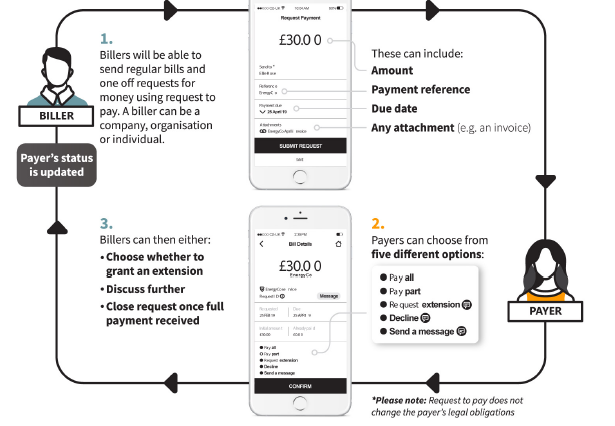
The barriers to entry that have traditionally protected the financial services sector are beginning to fade away, and incumbents now face a multitude of disruptive shifts. On the other side, customers expect real-time, seamless, and intelligent financial services. Regulation drives further competition.

International Treasury Management and Corporate Finance

17-01-2022 | François de Witte | treasuryXL |

We would like to draw attention to the following event, which includes our Expert François de Witte. Register below to learn more about International Treasury Management and Corporate Finance.

Registration


In order to be accepted to this certified path it will be asked to complete this application form .

This training will be planned and will start when a sufficient number of participants has been reached. You will then be informed at least 2 months before the course starts.

However, you can still fill in your application and we will contact you.

If you do not wish to be certified but are interested in the topics, almost every course can be purchased independently by clicking on the title in the content below. This certified path is a blended training which contains both physical and virtual classroom, e-mentoring, teamwork, etc.

Description


The treasurer is the custodian of the company’s daily liquidity. He manages, anticipates and secures cash flows by ensuring that financial needs are covered. This cursus will give the ability to assist directly and practically the treasurer of large corporates or to take over the treasury responsibilities in a SME. The various modules will allow acquiring an in-depth knowledge of the various areas of the “Corporate Treasurer” profession.


Objectives


At the end of this programme, the participant will able to:

  • assist directly and practically the treasurer of large corporates
  • take over treasury responsibilities in a SME.

The various modules will allow to acquire an in-depth knowledge of the different areas of the “Corporate Treasurer” profession.


Programme


Module 0: Introduction to Treasury Management

Speaker: Benjamin Defays / Treasury Manager

  • Corporate Treasurer’s responsibilities
  • Cash management (bank account opening, closing, KYC, Cash pooling, Payments and bank connectivity)
  • Liquidity management (importance of working capital management,
  • Risk management (foreign exchange, fraud, credit risk)
  • Trade finance (general context, intro to bank guarantees and letters of credit)
Module 1: Financial Maths in Excel (Focus on treasury & corporate finance)

Speaker: Hugues Pirotte / Professor of Finance at Solvay Brussels School

  • Focus on treasury & corporate finance
  • Time Value of Money
  • Vocabulary
  • Compounding intervals
  • Discount and annuity factors
Module 2: Payments, Cash Management and Banking Relations

Speaker François De Witte / Consultant

  • Payments (Process, Tools)
  • Liquidity Management
  • Cash-Flow Forecasting
  • In-House Banking
  • Banking Relationship
Module 3: Trade Finance in context of uncertainty

Speaker: Benjamin Defays / Treasury Manager

  • General contact, cultural aspects
  • Why trade finance in treasury
  • Bank Guarantees, Burgschafts, Surety Bonds, Letters of Credit, Cash against Documents
  • Alterative security instruments
  • Disruptive technologies
Module 4: Introduction to Counterparty Credit Risk Management and Cash Collection

Speaker: Benjamin Defays / Treasury Manager

  • Concepts & Practices/Types of Credit Risks
  • Understanding Financial Statements and Ratios
  • Credit Scoring/Ratings – S&P, Bloomberg models
  • Collecting overdue receivables – setting priorities
  • Strategies dealing with overdue invoices
  • Debt collection services development
Module 5: Practical Aspects of International Finance Regulation

Speaker: Lievin Tshikali  

  • KYC, GDPR, EMIR, Bale III
  • International sanctions and their impact on transactions & overall business activities
  • Anticorruption (FCPA, UK Bribery Act)
  • EU competition law compliance
  • INCOTERMS
  • Drafting a contract (main considerations)
Module 6: Risk Management applied to treasury

Speaker: François Masquelier / Group Treasurer

  • FX, Interests
  • Counterparties
  • Others (Reputation, etc…)
  • Objectives of Hedge Accounting
  • Required documentation and formalisation of Hedge Accounting relationships
  • Different types of hedges (Fair Value, Cash Flow, Net Investment)
  • Booking adjustments of different hedge types
  • Typical examples of different hedge types
Module 7: Technologies applied to treasury

Speaker: François Masquelier/ Group Treasurer

  • New Technologies
    • Blockchain, Crypto-currencies, Smart Contracts
  • Treasury Console (Bloomberg, Thomson Reuters)
  • TMS, Financial Technology
Module 8: Cyberfraud: what you need to know to manage this ever increasing risk

Speaker: Thierry Hamon / Cash management & security expert

  • Getting an overview of the different cyberattacks techniques currently used
  • Understand the possible consequences of cyberfraud and what needs to be protected
  • Learn 50 ways to protect

Some homework might be proposed for some modules, there will be continuous control in the form of intermediary exams (under the form of QCM) and a final exam will be sanctioned by an attestation delivered by ATEL (The Luxembourg Association of Corporate Treasurers).

There might also be one or two “extra-activity”, such as a visit in a bank trading room or/and a special guest speaker addressing the cursus participants on a specific subject (still to be defined, optional events).


Target Audience


Anyone willing to acquire an in-depth knowledge in corporate treasury and wishing to exercise this knowledge in practice.


Prerequisites


  • Basic background in finance or accounting
  • For the Advanced Excel workshop, a preliminary (good) knowledge in Excel is required.

Course Material


The course material can be downloaded free of charge via your portal the day before the start of the course (download the Client Portal User’s Guide here).


Certificate


At the end of the programme, the participants will receive a “Certificate of Attendance” delivered by the House of Training, and an attestation of “Exam Success Pass” delivered by ATEL.

In order to get certified, an 80% rate of attendance and a 60% average score on the examinations are required.

The participants will also receive a one-year free membership to ATEL (www.atel.lu) giving a number of advantages.


Register Here


Francois de Witte


François de Witte


Beheer uw Financiële Middelen | Cash- en werkkapitaalbeheer

| 29-10-2021 | François de Witte | treasuryXL |

Een bedrijf financieel gezond houden kan niet zonder een gedegen werkkapitaalbeheer. In deze basisopleiding bekijken we alle inkomende en uitgaande geldstromen (debiteuren, crediteuren, voorraden en cash). U leert hoe u deze geldstromen kan beheren en optimaliseren. Een aanrader voor iedereen wie interesse heeft en de noodzaak inziet van een transparant treasury- en creditmanagement. Deze opleiding gaat klassikaal door in campus Gent.

Omschrijving

Productieprocessen, (internationale) logistieke processen en verkoopprocessen brengen grote geldstromen in beweging. Een bedrijf financieel gezond houden kan niet zonder een gedegen werkkapitaalbeheer. In deze basisopleiding bekijken we alle inkomende en uitgaande geldstromen (debiteuren, crediteuren, voorraden en cash). U leert hoe u deze geldstromen kunt beheren en optimaliseren. Een aanrader voor iedereen wie interesse heeft en de noodzaak inziet van een transparant treasury- en creditmanagement.

Voor wie is deze opleiding bestemd?

Deze module richt zich tot bedrijfsleiders, alsook alle financieel verantwoordelijken, leden van het treasury team, controllers, financieel adviseurs, accountants, accountmanagers en productmanagers bij financiële instellingen.

Voorkennis

Financieel basisinzicht is vereist.

Bijkomende info

Het programma komt in aanmerking voor 9 uren permanente vorming bij ITAA.

Methodologie

Het programma is doorspekt met cases die samen met de deelnemers behandeld worden. Naast voorbeelden uit de praktijk die de theoretische onderbouw concretiseren, is er steeds aandacht voor de opmerkingen en vragen van de deelnemers. Om deze reden is het aantal deelnemers beperkt.

Lesdata

DATUM STARTUUR EINDUUR
woensdag 01/12/2021 9:30 12:30
woensdag 01/12/2021 13:30 16:30
woensdag 8/12/2021 13:30 16:30

Meer informatie en inschrijven: Klik Hier


Francois de Witte


François de Witte


International Treasury Management and Corporate Finance

| 15-7-2021 | François de Witte | treasuryXL |

We would like to highlight the following event, of which our Expert François de Witte is a part. Register below to learn more about International Treasury Management and Corporate Finance.

Registration

In order to be accepted to this certified path it will be asked to complete this application form .

This course will start in October 2021. It includes 9 training modules and 5 intermediary exams. It is necessary to complete this form before your official registration. Registration will be closed on 1st September 2021 .

If you do not wish to be certified but are interested in the topics, almost every course can be purchased independently by clicking on the title in the content below. This certified path is a blended training which contains both physical and virtual classroom, e-mentoring, teamwork, etc.

Description

The treasurer is the custodian of the company’s daily liquidity. He manages, anticipates and secures cash flows by ensuring that financial needs are covered. This cursus will give the ability to assist directly and practically the treasurer of large corporates or to take over the treasury responsibilities in a SME. The various modules will allow acquiring an in-depth knowledge of the various areas of the “Corporate Treasure” profession.

Objectives

At the end of this programme, the participant will able to:

  • assist directly and practically the treasurer of large corporates
  • take over treasury responsibilities in a SME.

The various modules will allow to acquire an in-depth knowledge of the various areas of the “Corporate Treasurer” profession.

Programme

Module 0: Introduction to Treasury Management
Speaker: Benjamin Defays / Treasury Manager

  • Corporate Treasurer’s responsibilities
  • Cash management (bank account opening, closing, KYC, Cash pooling, Payments and bank connectivity)
  • Liquidity management (importance of working capital management,
  • Risk management (foreign exchange, fraud, credit risk)
  • Trade finance (general context, intro to bank guarantees and letters of credit)

Module 1: Financial Maths in Excel (Focus on treasury & corporate finance)
Speaker: Hugues Pirotte / Professor of Finance at Solvay Brussels School

  • Focus on treasury & corporate finance
  • Time Value of Money
  • Vocabulary
  • Compounding intervals
  • Discount and annuity factors

Module 2: Payments, Cash Management and Banking Relations
Speaker François De Witte / Consultant

  • Payments (Process, Tools)
  • Liquidity Management
  • Cash-Flow Forecasting
  • In-House Banking
  • Banking Relationship

Module 3: Trade Finance in context of uncertainty
Speaker: Benjamin Defays / Treasury Manager

  • General contact, cultural aspects
  • Why trade finance in treasury
  • Bank Guarantees, Burgschafts, Surety Bonds, Letters of Credit, Cash against Documents
  • Alterative security instruments
  • Disruptive technologies

Module 4: Introduction to Counterparty Credit Risk Management and Cash Collection
Speaker: Benjamin Defays / Treasury Manager

  • Concepts & Practices/Types of Credit Risks
  • Understanding Financial Statements and Ratios
  • Credit Scoring/Ratings – S&P, Bloomberg models
  • Collecting overdue receivables – setting priorities
  • Strategies dealing with overdue invoices
  • Debt collection services development

Module 5: Practical Aspects of International Finance Regulation

Speaker: Lievin Tshikali  

  • KYC, GDPR, EMIR, Bale III
  • International sanctions and their impact on transactions & overall business activities
  • Anticorruption (FCPA, UK Bribery Act)
  • EU competition law compliance
  • INCOTERMS
  • Drafting a contract (main considerations)

Module 6: Risk Management applied to treasury
Speaker: François Masquelier / Group Treasurer

  • FX, Interests
  • Counterparties
  • Others (Reputation, etc…)
  • Objectives of Hedge Accounting
  • Required documentation and formalisation of Hedge Accounting relationships
  • Different types of hedges (Fair Value, Cash Flow, Net Investment)
  • Booking adjustments of different hedge types
  • Typical examples of different hedge types

Module 7: Technologies applied to treasury
Speaker: François Masquelier/ Group Treasurer

  • New Technologies
  • Blockchain, Crypto-currencies, Smart Contracts
  • Treasury Console (Bloomberg, Thomson Reuters)
  • TMS, Financial Technology

Module 8: Cyberfraud: what you need to know to manage this ever increasing risk

Speaker: Thierry Hamon Cash management & security expert 

  • Getting an overview of the different cyberattacks techniques currently used
  • Understand the possible consequences of cyberfraud and what needs to be protected
  • Learn 50 ways to protect

Some homework might be proposed for some modules, there will be continuous control in the form of intermediary exams (under the form of QCM) and a final exam will be sanctioned by an attestation delivered by ATEL (The Luxembourg Association of Corporate Treasurers).

There might also be one or two “extra-activity”, such as a visit in a bank trading room or/and a special guest speaker addressing the cursus participants on a specific subject (still to be defined, optional events).

Target Audience

Anyone willing to acquire an in-depth knowledge in corporate treasury and wishing to exercise this knowledge in practice.

Prerequisites

  • Basic background in finance or accounting
  • For the Advanced Excel workshop, a preliminary (good) knowledge in Excel is required.

Course Material

The course material can be downloaded free of charge via your portal the day before the start of the course (download the Client Portal User’s Guide here).

Certificate

At the end of the programme, the participants will receive a “Certificate of Attendance” delivered by the House of Training, and an attestation of “Exam Success Pass” delivered by ATEL.  In order to get certified, an 80% rate of attendance and a 60% average score on the examinations are required. The participants will also receive a one-year free membership to ATEL (www.atel.lu) giving a number of advantages.


Register Here


Francois de Witte


François de Witte


Virtual Masterclass | Advanced Treasury & Cash Management

| 06-05-2021 | François de Witte | treasuryXL |


How do you deal with constant change and uncertainty?

As treasury continues to expand its influence, delving deeper into the business and providing advisory services and tech solutions to increase efficiency, flexibility has become paramount. From building resilience in an environment of shifting risks to providing innovation to support business growth, much more is expected from treasury leaders today.

What will the next decade look like for treasury leaders? The past 10 years, with high levels of uncertainty, volatility and changing technology, have upended traditional treasury. Then along came Covid-19 to bring new risks and induce more anxiety for corporate growth and stability, never mind completely altering the way we work.

We’re delighted to introduce the Advanced Treasury & Cash Management Masterclass which is a live 3 half-day program of 4 hours each designed for finance, treasury and banking professionals who have practical experience in various roles in treasury management and who need to gain a deeper practical knowledge of advanced treasury management techniques in today’s changing environment.

Key takeaways and outcome of the program

Ensure that you are operating best practice in the current economic climate and receive the latest update on industry developments through the key topics:

When? 

June 2-4, 2021

Who Should attend?

  • Treasury Managers
  • Risk Managers
  • Corporate and Institutional Treasury Sales
  • Corporate & Institutional Treasury Staff
  • Relationship Managers Corporate Banking
  • Fintechs
  • Financial Controllers
  • Business Controllers
  • Regulators
  • Auditors
  • Accountants
  • CFO

About The Trainer: François de Witte 

After having worked for more than 30 years in banking, François launched his own consultancy activity, FDW Consult Services BV, specialized in Banking, Finance and Treasury consulting. From 2014 to 2016, he was also Solution Partner Treasury & Finance at USG Professionals. Since then, he took up several assignments, including one in the automotive sector with Ginion Group and with Ibanity, part of Isabel Group in the area of PSD2 and Open Banking. He currently is Senior Project Manager Treasury at Gaming1 (part of Ardent-Group). He is also independent Director at CKV, a niche mortgage and savings bank & Community Ambassador of treasuryXL.com.

François is lecturer of the course “Advanced Treasury” and “Cash and Working Capital Management” in the Mastersprogram “Finance and Treasury” at the Lille Management School, at the Treasury Courses at the Vlerick Business School, at Febelfin Academy, and at SBM Opleidingen. He has also a leading role in the Certificate in International Treasury and Corporate Finance Management organized by ATEL and the House of Training in Luxembourg. François has a Master’s degree both in Law and Economics from the Katholieke Universiteit Leuven.


Register now and receive a 20% Discount

Register by sending an email to [email protected] for further instructions


Liquiditeitsbeheer en Cash Forecasting | Beheer en controle van de liquide middelen, kredietlijnen en -termijnen

| 05-05-2021 | François de Witte | treasuryXL |

Hebt u een goed overzicht van de liquiditeitspositie van de onderneming? Is er geen sprake van een versnipperde cash- en kredietbenutting die u een onvolledig beeld geeft? Bent u onlangs geconfronteerd met liquiditeitsproblemen als gevolg van onverwachte uitgaven? Tijd om in actie te komen!

De coronacrisis stelt de situatie heel scherp. Heel veel bedrijven lopen tegen liquiditeitsproblemen aan. En het zijn vaak niet de minste! Zelfs grote, succesvolle ondernemingen hebben in de praktijk vaak onvoldoende zicht op hun cashpositie.

Omschrijving

Wilt u de liquiditeit van uw bedrijf verhogen? Dan loont het de moeite om uw huidig beleid eens goed onder de loep te nemen. Door een goede opvolging benut u de cash van het bedrijf optimaal en houdt u het beslag op de kredietlijnen zo beperkt mogelijk.

Met onze specialist staat u daar niet alleen voor! Als uw bedrijf groeit, groeit ook de complexiteit. Hoe gaat u de versnippering van uw kaspositie tegen? Hoe gaat u om met de complexiteit van multi-bancaire relaties en internationale handel? Dankzij deze opleiding vindt u de beste (gepersonaliseerde) aanpak voor uw bedrijf.

Voor wie is deze opleiding bestemd?

Deze module richt zich tot bedrijfsleiders, alsook alle financieel verantwoordelijken, treasurers, leden van het treasury team, controllers, financieel adviseurs, accountants, relatiegelastigden ondernemingen bij financiële instellingen.

Voorkennis

Financieel basisinzicht en ervaring met financiële transacties is vereist. Voelt u zich hier nog onvoldoende mee vertrouwd dan kan u voorafgaand de opleidingsmodule “Cash- en werkkapitaalbeheer” volgen.

Bijkomende info

Het programma komt in aanmerking voor 9 uren permanente vorming bij ITAA.

Programma

  • Belang van cash & liquidity management
  • Hoe kan u de cashposities dagelijks beter opvolgen
  • Hoe maakt u optimaal gebruik van uw cash & liquiditeit in het bedrijf
  • Cash forecasting
    • Hoe een operationele cash forecast optuigen
    • Cash forecasting en het financieel planning proces
    • Link met cash management en working capital management
    • Best practices en tools om cash & liquidity management te optimaliseren: toepassing op uw eigen bedrijf
    • Praktijkervaring Cashforce
    • Case study in groepen
  • Cashconcentratie
    • Gangbare technieken voor de cash concentratie
    • Manuele cash pooling
    • Automatische cash balancing
    • Notionele cash pooling
    • Juridische en fiscale aspecten van cash concentratie
    • Praktische aspecten – beheer van de intercompany leningen

Lesdata

Datum Startuur Einduur
donderdag 20/05/2021 18:30 21:30
donderdag 27/05/2021 18:30 21:30
donderdag 03/06/2021 18:30 21:30
Meer informatie en inschrijven: Klik Hier


Francois de Witte


François de Witte


Beheer van wisselrisico’s | Indekken of niet?

| 31-3-2021 | François de Witte | treasuryXL |

Internationaal zaken doen is onvermijdelijk verbonden met financiële risico’s. Hoe kunt u wisselkoersrisico’s op een verantwoorde wijze beheren?

Omschrijving

Weet u hoe verantwoord moet omgaan met wisselkoersrisico’s? Het antwoord geenszins éénduidig … Maar wat zeker is, is dat goede beslissingen beginnen bij een concrete inschatting van dit risico.

Assessment van uw wisselkoersrisico’s

Het is belangrijk om uw risico’s te identificeren en te kwantificeren. Koopt of verkoopt u in vreemde munten? Welke klantenrisico’s hebt u? Hebt u investeringen of leningen in vreemde valutas? En wat met andere cash flow risico’s? U moet beslissen in welke mate deze risico’s kunnen worden vermeden en of ze aanvaardbaar zijn.

Actieplan

Dan blijft de belangrijke vraag natuurlijk welke acties u neemt nadat uw situatie in kaart is gebracht. Worden de risico’s getransfereerd naar derden? Worden de risico’s ingedekt door verzekeringen of andere wisselkoersinstrumenten. Om de juiste verantwoorde beslissingen te nemen, moet u beschikken over het inzicht in deze verzekerings- en indekkingstechnieken. Hoe organiseert u een performante controle, opvolging en rapportering van de risico’s?

Voor wie is deze opleiding bestemd?

Deze module richt zich tot bedrijfsleiders, alsook alle financieel verantwoordelijken, treasurers, leden van het treasury team, controllers, financieel adviseurs, accountants, relatiegelastigden ondernemingen bij financiële instellingen.

Voorkennis

Financieel basisinzicht en ervaring met financiële transacties is vereist. Voelt u zich hier nog onvoldoende mee vertrouwd dan kan u voorafgaand de opleidingsmodule ‘Cash- en werkkapitaalbeheer’ volgen.

Bijkomende info

Dit programma komt in aanmerking voor 6 uur permanente vorming ITAA.

Programma

1. Financieel risico management: algemeen

  1. Definitie
  2. Identificatie, kwalificatie en kwantificatie van de risico’s
  3. Risico tijdslijn
  4. Verzekerings- en indekkingstechnieken: instrumenten
  5. Risico politiek: strategie en tactiek
  6. Risicomanagement: procedures, opvolging, controle en rapportering

2. Wisselkoersrisico’s

  1. De financiële markten – algemeen
  2. Type exposures: transactie, boekhoudkundig en economisch
  3. Natuurlijke indekkingen
  4. Interbancaire markt versus futures
  5. Instrumenten voor de indekking van de wisselrisico’s
  • FX: Spot (contante) indekking
  • Forward (termijn) indekking
  • Currency swaps
  • Valuta-futures
  • Valuta-opties
  1. Contractuele aspecten – ISDA documentatie
  2. Bancaire aspecten: risicoweging
  3. Regulering
  4. Boekhoudkundige aspecten
  5. Aanbevelingen
  6. Case study in groep

Lesdata

Datum Startuur Einduur
maandag 19/04/2021 09:00 12:00
maandag 26/04/2021 09:00 12:00
Data onder voorbehoud van eventuele wijzigingen

Meer informatie en inschrijven: Klik Hier


Francois de Witte


François de Witte


Treasury Management during the COVID 19-crisis: Opportunities & Risks – Live Webinar

| 1-2-2021 | François de Witte | treasuryXL |

As a result of the COVID19, many companies are faced with cash & liquidity problems. How do you deal with this? What tools do you have available to manage this? How do you approach the stakeholders, including the banks for additional loans. Find out in upcoming event with the help of our Expert François de Witte. Continues in Dutch…

Deze opleiding heeft als doelstelling om inzicht te geven in:

  • de tools voor het cash & liquidity management en hoe ze te gebruiken;
  • hoe je bijkomende financiële ademruimte creëert: beheer van werkkapitaal – uitstel van kosten;
  • hoe je de banken benadert voor uitstel van aflossingen en/of bijkomende kredieten;
  • de inschatting van de risico’s en opportuniteiten van deze nieuwe situatie;
  • het opstellen van een concreet actieplan.

Doelgroep

De opleiding kan gevolgd worden door verschillende doelgroepen:

  • KMO relatiegelastigden van banken;
  • Financiëel verantwoordelijken van KMO’s en non profit organisaties;
  • Corporate Treasurers.

Vereiste voorkennis

Advanced level: biedt praktijkgerichte toepassingen op de reeds verworven theoretische kennis van de “basic level” opleidingen (uitdieping).

Programma

Inleiding: Belang van cash & liquidity management

Deel 1: Tools voor het beheer van cash & liquidity management van je onderneming:

  • Wat is mijn cash positie vandaag?
  • Cash forecast voor de komende dagen, of zelfs weken?
  • Beheer van werkkapitaal
  • Cash Burn Rate – Cash runway
  • Dagelijkse stuurgroep Cash Positie
  • Beheer van financiële risico’s

Deel 2: Tips voor het verbeteren van je cash positie:  

  • Beheer van de klantenpost
  • Beheer van de voorraden
  • Beheer van je leveranciers
  • Uitstel van bepaalde uitgaven

Deel 3: Onderhandeling van uitstel vervaldagen of nieuwe kredieten bij de banken:

  • Kredietbeoordeling door banken: aandachtspunten
  • Wat is momenteel voorzien door de overheid, Febelfin en de bank community?
  • Hoe benadert je best de banken: tips en tricks voor je kredietdossier 

Deel 4: Risico’s en opportuniteiten – Actieplan:

  • Risico’s en opportuniteiten
  • Tips & Tricks
  • Actieplan 

Q & A – Coaching

Praktische Informatie

  • Datum: 01-03-2021
  • Tijd: 10u – 12u30
  • Duurtijd: 2u30 (met pauze tussenin)
  • Plaats: inloggen op online platform
  • Extra info: Via het online leerplatform kan u doorklikken naar de webinar. U vindt alle informatie onder de categorie ‘mijn planning’.

Verder hoeft u niets te downloaden. Om de webinar te kunnen volgen, heeft u nodig: een computer, een internetverbinding en de mogelijkheid om geluid af te spelen. U krijgt via uw scherm de lesgever en de presentatie te zien. U heeft ook de mogelijkheid om gedurende de hele webinar vragen te stellen.

Methodologie

Type opleiding: Webinar (korte online opleiding)

Opleidingsmateriaal:

  • PowerPoint presentatie

Totale Prijs

Leden: € 160
Niet-leden: € 180
Partner BZB: € 160
Incompany: op maat, prijzen op aanvraag

REGISTER TODAY

Francois de Witte


François de Witte


Corporate Governance and Treasury | Embrace the Corporate Treasury Policy

| 18-02-2020 | François de Witte | treasuryXL |


Corporate Governance

Corporate Governance is a mechanism through which boards and directors can direct, monitor and supervise the conduct and operation of the corporation and its management in a way that ensures appropriate levels of authority, accountability, stewardship, leadership, direction and control.

The ultimate responsibility for Treasury management within an organization lies with the board of directors. Due to the practicalities and technical aspects involved in corporate treasury, the board typically delegates the daily management of risk to responsible individuals in each department. In the case of financial risks, many of these are delegated to the treasurer.

Whilst, due to its specific activities, the corporate treasurer needs to take a lot of actions and decisions independently, it is important that he does this within a framework and Governance. Quite a lot of corporates have formalized this in a “Corporate Treasury Policy”.

Corporate Treasury Policy

The Corporate Treasury Policy is the mechanisms by which the board, or risk management committee (RMC), can delegate financial decisions in a controlled manner. This document should be a summary of all the principles approved by the Board or the Financial Committee of the Board as a mandate of the Board to the treasurer (the Treasury Mandate).

The Corporate Treasury Policy is a framework document, which covers the following areas:

Organization of the Treasury Function

In most of the companies, the Corporate Treasury Reports to the CFO. The CFO is usually himself a Member of the Executive Committee, which itself reports directly to the Board of Directors. (Treasurer – CFO – Treasury Committee – Audit Committee – Board):

A policy should set out clearly which decisions are delegated to the treasurer and when the treasurer should refer a decision back to the board or other person within the organization. Within several corporate, the Board of Directors have delegated the decision process to dedicated committee, like the Risk Committee, and the Liquidity and Funding Committee.

Treasury Control Framework (including the Code of Conduct)

Procedures and controls to manage the risk should be put in place to provide an overall framework for decision-making by the treasury team.

Ideally, this should also include a code of conduct. The Corporate Treasurer should act as a Corporate Custodian. In other words, he is Protector of the company’s assets, and should act according to a strict Code of Conduct and Ethics. There exist examples of codes developed by professional organizations such as IGTA, ATEB, AFTE, ACT and ATEL.

Liquidity and funding

The board should be informed about funding possibilities to put currency, maturity, cost and equity/debt character into a wider context. The board should decide on the strategy but can delegate fund raising decisions and actions to treasury. However, I recommend that Treasury asks the final board approval for strategic decisions (e.g. major syndicated loans, bond issues, etc.).

The board should have an overall view on the liquidity risk of the company. The Board should also define the financial policy, covering the gearing and maturity issues, fixed and variable interest rate obligations, dividend policy and covenants.

Banking Relationship

Banks chosen by the treasurer must be able to meet the needs of the organization, both domestically and internationally. I recommend that the Board approves annually criteria for selecting the banks with whom it will work.

Risk Management

The Treasurer must identify the various risks to which the company is exposed, quantify the impact, and should inform the Board thereof. He should estimate the size of these exposure risks and their impact on the he overall operations and financial performance of the company, and make recommendations in these areas

The board must approve the hedging policy, the company’s foreign exchange, interest rate and commodity risk management policy and its attitude to risk. It should define which part of the risks must be hedged and the hedging horizon. I recommend that the Treasurer submits at regular intervals to the Board the list of authorized instruments, the amount per instrument and their term

Investment Policy – Counterparty Credit Risk

The board should approve the treasury’s Investment policy including the choice of instruments, the list of counterparties used + the maximum amount/counterparty & maturity. It is recommended that the Board provides guidelines and limits per instrument.

It is recommended that the Board approves the guidelines for fixing counterparty limits, and maximum exposure per counterparty.

Authorized instruments and Arrangements – Authorized Approvers

The Treasurer should make sure that the board must understands and approve the strategies and instruments used and sets guidelines for the appropriate limits for their use. These guidelines need to ensure that treasury has not sacrificed long-term flexibility or

survival for short-term gain, especially in view of the volatile financial market’s situation.

Treasury Operational Risk

The treasurer should make the Board aware of the operational risks to which the company is exposed. He should provide recommendations in this area. Furthermore, the treasurer should also submit recommendations to the board on the treasury organization and the ways to reduce the operational risks.

Monitoring

A Corporate Treasury Policy has only sense, if there is a regular follow up and control framework; Hence procedures and controls to manage the risk should be put in place to provide an overall framework for decision-making by the treasury team.

It is also important to provide to the Board a regular update on the way the treasurer complies with the policy. The policy should also be regularly reviewed.

Treasury must alert the board to external changes and internal strategic developments, which may have long-term implications for the organization and make proposals for managing them.

The policy needs also to be reviewed at regular intervals each “Policy” in function of the market and of other internal or external developments. I recommend having treasury on the Board’s agenda on a quarterly basis.

Conclusion

Treasury is not an island in the company. It is closely linked to the corporate governance. Hence it is important to define the right framework.

I recommend to corporates to put in place a treasury policy validated by the Board of Directors and reviewed regularly. It is important to update the Board at regular intervals about strategic topics, such as strategic financing topics and risk management.

The treasurer has also an important educational role, as he must be able to make complex treasury topics understandable for the board members.

Hence there must be a good interaction between the treasurer, the CFO and the Board is key, where the Treasurer is the linking pin.


François de Witte
Founder & Senior Consultant at FDW Consult
Managing Director and CFO at SafeTrade Holding S.A.
treasuryXL ambassador

PSD2, Open Banking and their major impact

| 24-9-2019 | François de Witte | treasuryXL |

This training program at the Febelfin Academy prepares participants for 2 major challenges of the upcoming years in banking: PSD2 & Open Banking. This will have a major impact on the financial ecosystem and will create new challenges.

The goal of this training course is to:

  • Make participants aware of the ways PSD2 & Open Banking affect banks and other players in Europe;
  • Understand the impact of the technical requirements with a focus on strong customer authentication;
  • Outline the risks and responsibilities of the involved parties within the new regulatory framework;
  • Understand the impact of Open Banking APIs (Application Programming interfaces;
  • Understand the impacts of the PSD2 & Open Banking the financial ecosystem;
  • Evaluate the risk and opportunities created by PSD2 & Open Banking the banks and the new players;
  • Determine action plan for your company.

Target Group

This training course can be followed by multiple target groups:

  • Managers of a banks/PSP’s/Fintechs involved with the payments and digital strategy
  • Product Development Experts (payments)
  • Service providers involved with Open Banking
  • Corporate Treasurers
  • Compliance officers

Advanced: offers practice-based applications to complement the theoretical knowledge already acquired through the “basic level” courses (in-depth learning).

There is no specific preparation required. For persons who are less acquainted with PSD2 and payments, some pre-course reading material can be made available.”

Program

This training program prepares participants for two key challenges of the upcoming years in banking: PSD2 and Open Banking.

Part I: PSD2 and Open Banking – overview:

  • PSD2: Scope and Basic Principles
  • XS2A (Access the Accounts)
  • New Players: AISP and PISP
  • SCA (Strong Customer Authentication)
  • Consent and SCA
  • Requirements for the Banks and TPPs
  • Timetable
  • Trends in Open Banking

Part II: Open banking architecture: Implications for banks and the New Players

  • XS2A: Risks, Responsibilities and obligations of the related parties
  • XS2A: Availability Requirements
  • Setting up the SCA in Practice
  • SCA: Optimization of the Exemptions
  • Security requirements ensuring consumer protection
  • Addressing the fraud and cyberattack risks
  • Technology: building interfaces – APIs (Application Programming Interfaces)
  • European initiatives to standardize the interfaces
  • Practical aspects – Role of Aggregators
  • Group Exercise

Part 3: PSD2: Potential impact on the market and next steps

  • Global impact on the market – New Players
  • Impact on the Payments Landscape
  • Impact on the Cards and Digital Payment Instruments
  • Impact on the Merchants and the e-commerce
  • Impact on corporates
  • FinTech Companies: ready to disrupt banks?
  • Implication on the Digital Banking Strategy
  • The new role of competition and cooperation
  • Action Plan for Banks and New Players
  • Group Exercise

Practical information

Duration: One day training

Date: October 10, 2019

Hours: 9AM-5PM (6 training hours)

Location: Febelfin Academy, Aarlenstraat/Rue d’Arlon 80, 1040 Brussels

Additional information: This training course will be given in English


REGISTER TODAY


François de Witte

Founder & Senior Consultant at FDW Consult / Managing Director and CFO at SafeTrade Holding S.A.

[button url=”https://www.treasuryxl.com/community/experts/francois-de-witte/” text=”View expert profile” size=”small” type=”primary” icon=”” external=”1″]

[separator type=”” size=”” icon=””]