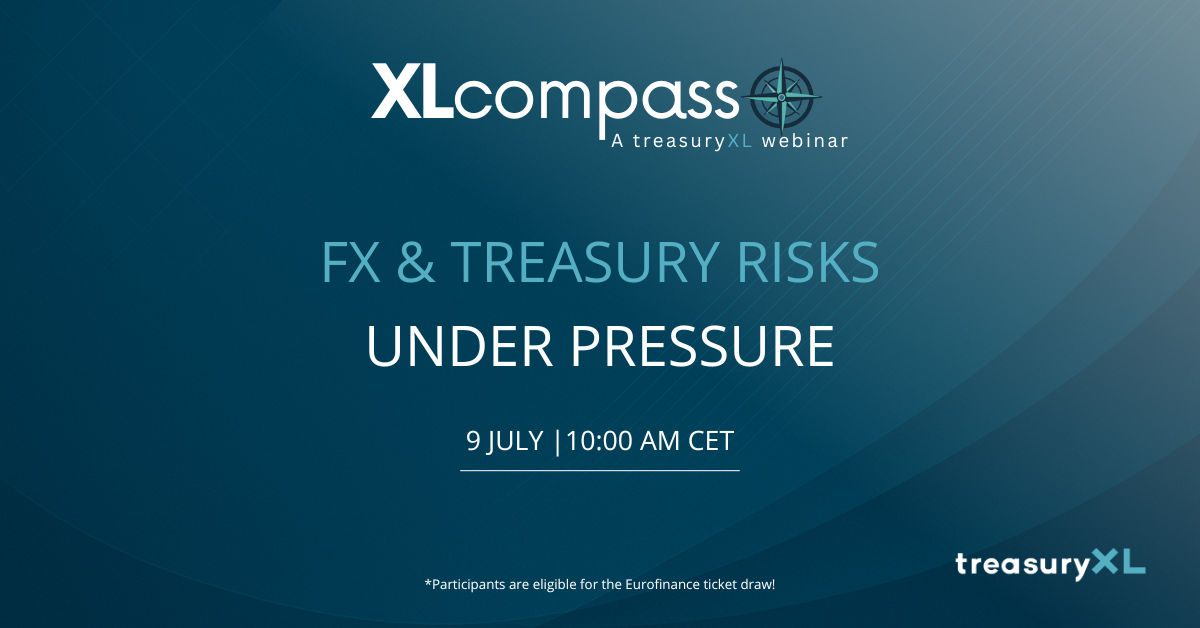
Treasury Risk Management is the strategic identification, analysis, and mitigation of financial risks that threaten a company’s cash flow, earnings, and value. Its primary goal is to protect the business from unexpected financial loss while ensuring sufficient liquidity to meet all obligations and seize opportunities. Today, this function is less about avoiding all risk and more about enabling strategic objectives by understanding, pricing, and actively managing risk exposures within a defined framework.
The Modern Role: From Defense to Strategic Enabler
While core responsibilities like policy design and stakeholder management remain, the role has expanded. The treasury risk manager now acts as a strategic partner, translating complex market exposures into clear business impacts and advising on risk-adjusted decision-making. This involves continuous monitoring of internal and external risk factors, stress-testing the company’s financial resilience against potential crises, and ensuring all risk-taking aligns with the board’s approved appetite. A key output is a transparent risk report that informs leadership, not just with numbers, but with actionable insight.
Key Risk Types
Modern treasury manages an interconnected web of financial risks. The following table outlines the primary categories, their drivers, and contemporary mitigation approaches.
Emerging Priority: ESG & Climate Risk
Financial risks linked to environmental, social, and governance factors are now critical. This includes physical risks (costs from climate events disrupting operations) and transition risks (financial impact from shifting to a low-carbon economy, such as stranded assets or carbon taxes). Treasuries are now involved in financing green projects, assessing climate scenarios, and reporting on sustainability-linked financial metrics.
Implementing an Effective Framework
A best-practice framework moves beyond ad-hoc hedging. It requires:
-
Clear Risk Appetite: A board-approved statement defining the types and amount of risk the company is willing to accept to achieve its strategy.
-
Governance & Policies: Documented procedures that assign roles, define hedging strategies, set position limits, and authorize instruments.
-
Technology & Data: Treasury Management Systems (TMS) and specialized risk platforms are essential for aggregating exposure data, performing calculations, executing hedges, and generating real-time reports.
-
Performance Measurement: Evaluating the hedge program not on speculative profit/loss, but on how effectively it reduced earnings volatility and protected cash flows against adverse moves, relative to its cost.

 https://treasuryxl.com/wp-content/uploads/2025/02/LSEG-BLOGS-featured-13.png
200
200
treasuryXL
https://treasuryxl.com/wp-content/uploads/2018/07/treasuryXL-logo-300x56.png
treasuryXL2026-06-16 07:00:582026-06-15 16:00:18Where Trusted Data Builds Confidence
https://treasuryxl.com/wp-content/uploads/2025/02/LSEG-BLOGS-featured-13.png
200
200
treasuryXL
https://treasuryxl.com/wp-content/uploads/2018/07/treasuryXL-logo-300x56.png
treasuryXL2026-06-16 07:00:582026-06-15 16:00:18Where Trusted Data Builds Confidence