

BCR Publishing
We are the leading provider of news, market intelligence, events and training for the global receivables finance industry.
Working with industry leading organisations, experts, governments and universities, BCR Publications delivers expertise in factoring, receivables and supply chain finance to a global audience.
BCR has long been a beacon of innovation and excellence in the realm of receivables finance, playing an instrumental role in shaping the industry’s international landscape. Through its comprehensive conferences, insightful publications, and thought leadership, BCR has facilitated crucial dialogues and connections among industry professionals, driving forward the development of receivables finance globally.
Follow BCR Publishing
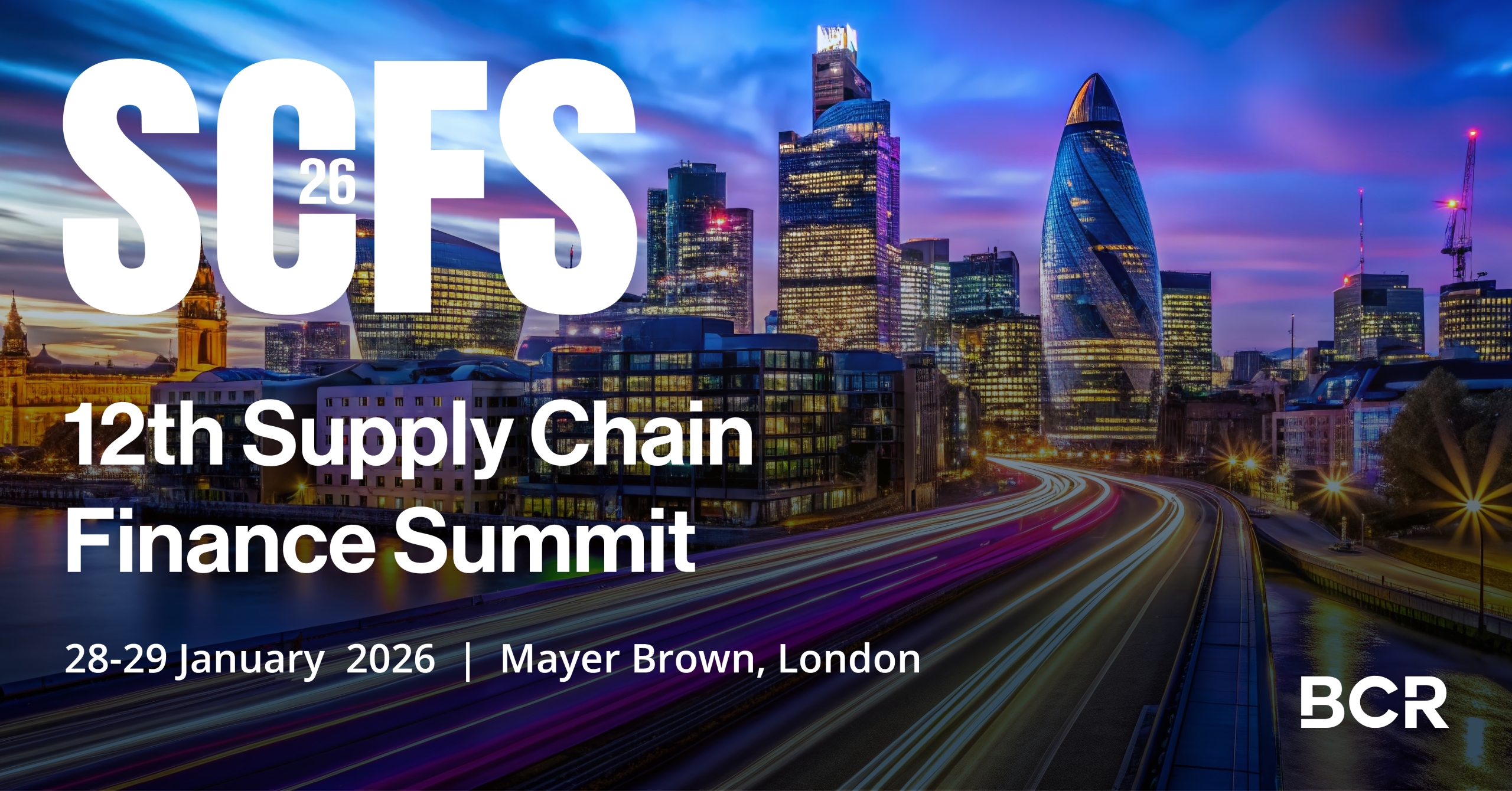
Free passes
For corporate treasurer roles/functions!
Een parttime CFO – parallellen met de Flex Treasurer
| 29-6-2017 | CFO netwerk | treasuryXL |
CFO netwerk biedt (parttime) CFO diensten aan ondernemingen, waarvan aard en omvang van de activiteiten de fulltime inzet van een CFO niet rechtvaardigen. Wat dat betreft herkennen wij parallellen met onze Flex Treasurer, die wij op treasuryXL aanbieden aan ondernemingen, die wel treasury exposure hebben, maar geen ruimte om een fulltime treasurer of cash manager in dienst te nemen. We waren in gesprek met Jeffrey Janssen van CFO netwerk en hebben de parallellen voor u uitgewerkt.
CFO op maat
Wat is de toegevoegde waarde van een CFO voor een onderneming?
Veel jonge en kleine bedrijven hebben vaak niet de financiële mogelijkheden om een ervaren CFO in dienst te nemen. In deze situatie is wellicht een parttime CFO een goede oplossing. Een ervaren professional met commitment die u voor een beperkt aantal uren inhuurt, maar toch de vinger aan de pols houdt en indien nodig 24/7 voor u beschikbaar is.
Maar waar u als ondernemer ook bent in de levenscyclus van uw bedrijf, het goed functioneren van uw financiële afdeling is van groot belang en zij hoort u tijdig te informeren over strategische, financiële vragen die van belang zijn voor het voortbestaan van uw bedrijf. Daarbij gaat het niet alleen over cijfers, maar ook over een sterke CFO, die u uitdaagt en als business partner optreedt bij de bepaling van de strategie en volgens een strakke CFO-agenda de groei van uw bedrijf ondersteunt.
Uw bedrijf groeit
U werkt hard en investeert. Het bedrijf groeit en alles gaat eigenlijk beter dan verwacht. Of toch niet? Er ontstaan groeistuipen en er worden veel ad-hoc beslissingen genomen om de voortrazende trein op het rechte spoor te houden. In deze fase kunnen grote fouten worden gemaakt die de continuïteit in gevaar brengen. De belangrijkste hiervan is dat het strategische plan niet wordt gevolgd en dat dit plan niet regelmatig wordt geëvalueerd en aangepast. Aspecten die in deze fase van groot belang zijn:
Succesvol en nu verder…
Alle bedrijfsprocessen zijn goed ingericht – het gaat heel goed met uw bedrijf. De resultaten zijn uitstekend, maar blijft dat zo? Indien u niet bezig bent met nieuwe innovaties, oog hebt voor de veranderingen in de markt loopt u het risico dat uw groei gaat stagneren en te laat uw organisatie hierop aanpast. Ook dan moet U keuzes maken die ingrijpend zijn en een weerslag hebben op mensen en systemen. In deze fase is het cruciaal dat u de continuïteit van het bedrijf centraal stelt en het bedrijf robuust maakt voor de toekomst. Ook hier is het de taak van de CFO om dit spanningsveld te bewaken en u tijdig te helpen in uw besluitvorming.
Ups and downs
Iedere onderneming komt ze vroeger of later tegen. Door te weinig innovatie streven uw concurrenten u voorbij. De resultaten lopen opeens terug. Uw bankiers komen vaker langs en aandeelhouders zijn niet tevreden en eisen veranderingen. U bent het grootste deel van uw tijd kwijt aan het managen van uw liquiditeit en het sussen van aandeelhouders en personeel. Zorg dat u in deze fase de juiste mensen binnenhaalt om het tij te keren, dan wel te zorgen dat keuzes worden gemaakt. Dit kan van levensbelang zijn om een faillissement te voorkomen.
Wat kan een CFO betekenen?
Een krachtige CFO is een sparringpartner die u als ondernemer in iedere bedrijfsfase ontzorgt en uw financiële continuïteit bewaakt. Hij of zij is onder meer verantwoordelijk voor de financiële systemen en processen, de stuurinformatie en de contacten met financiers en accountant. Maar bovenal moet hij als financiële business partner onderdeel zijn van uw team en mede sturing geven aan de strategische agenda van uw onderneming. Een onderneming kan niet functioneren zonder een goede CFO in het hart van uw organisatie.
Een Flex Treasurer als ondersteuning voor de CFO
We merken dagelijks dat treasury iets is waar CFO’s en Controllers er vaak te weinig tijd voor hebben en/of niet altijd de noodzakelijke kennis. HR managers en directeuren bemoeien zich er liever niet mee.
Ook hier hetzelfde beeld: de meeste organisaties zijn niet groot genoeg om een treasury-afdeling te huisvesten maar dat betekent niet dat deze organisaties geen kosten kunnen besparen of dat er geen mogelijkheden zijn voor bijvoorbeeld funding. Om de treasury van uw organisatie onder controle te hebben is het niet altijd nodig om er een complete afdeling van te maken.
Een ervaren hands-on treasurer kan een eerste check doen binnen de organisatie om te bepalen of het de moeite waard is om te investeren in treasury. Door optimalisatie van interne processen, het beter beheren van banken en bankkosten of het opnieuw organiseren van FX processen kan vaak een substantiële besparing worden gerealiseerd.
Cash & liquidity management ondersteuning
Heeft u een goed overzicht van uw liquiditeitspositie? Is er geen versnipperde cash- en kredietbenutting? Bent u onlangs geconfronteerd met liquiditeitsproblemen t.g.v. onverwachte uitgaven? Wordt u regelmatig geconfronteerd met manuele verwerking van betalingen? Bent u recent geconfronteerd met fraudegevallen? Is het aantrekken van de financiering een issue?
Een treasury expert kan u helpen in het vinden van de juiste antwoorden op deze vragen. Een Flex Treasurer kan ondersteuning bieden op tijdelijke basis, onder meer voor de volgende aspecten:
Begeleiding opvolging liquiditeitspositie groep en uittekenen processen in dit verband
Assessment van het cash forecasting proces en voorstellen tot optimalisatie
Optimalisatie betalingsprocessen (incluis fraudepreventie)
Advies selectie bankpartners
Nazicht van de bankvoorwaarden
Bepalen van de optimale financieringsstrategie
Automatisatievoorstellen en begeleiding van de implementatie
Optimalisatie werkkapitaalverkeer
Kampt uw bedrijf met een DSO (gemiddelde betalingstermijn klanten) die veel hoger is dan het sectorgemiddelde? Heeft u een duidelijk afgelijnd acceptatieproces en een politiek voor de betaaltermijnen? Is je facturatieproces optimaal? Heeft u een afgelijnde politiek voor de selectie en de betalingstermijnen aan uw leveranciers? Heeft u regelmatig incassoproblemen? Kampt u met wanbetalingen en afschrijvingen op uw klantenportefeuille? Ondervindt u regelmatig reconciliatieproblemen bij binnenkomende en uitgaande betalingen?
Dan kan een Flex Treasurer, die treasury & working capital management expert is, u helpen bij het vinden van de juiste antwoorden op deze vragen en het optimaliseren van uw werkkapitaalbeheer.
FX en IR risico analyse
Heeft u een goed zicht op de risico’s die je bedrijf oploopt (o.m. valuta en renterisico) en op de impact hiervan op uw bedrijf? Heeft u een politiek in verband met de risicoafdekking? Heeft u een zicht op de mogelijkheden om ze in te dekken? Koerswijzigingen in valuta en rente kunnen zeer vluchtig zijn en leiden tot onnodige extra kosten. Als u zich wilt concentreren op uw ‘core business’, zonder u zorgen te hoeven maken over bv. de EUR/USD wisselkoers of de Europese rente dan is het inhuren van een Flex Treasurer de ideale uitkomst. Hij kan de organisatie helpen eenvoudig en effectief de risico’s af te dekken, alsmede te onderhandelen over betere spreidingen en lagere kosten bij uw bank.
Aangeboden diensten
Met de verschillende CFO diensten van CFO Netwerk krijgt u het beste van beide werelden: de expertise van een ervaren CFO en op maat gemaakte uitbestede CFO diensten — tegen een prijs die u zich kunt veroorloven. De CFO-diensten zijn schaalbaar in de tijd. Dit betekent dat het niveau van ondersteuning geleverd wordt, dat u nodig hebt en wanneer u het nodig hebt.
Op treasuryXL bieden wij een Treasury Quick Scan aan, die beoogt de treasury-pijnpunten in kaart te brengen en de aanbevelingen om deze te verhelpen, inclusief de business case. Op basis daarvan kunt u bekijken of er voor verdere ondersteuning een treasury-expert voor uw organisatie zinvol is.
Daarnaast biedt treasuryXL ook treasury coaches aan. Treasurers werken vaak alleen of in een klein team en hebben ondersteuning nodig van andere (meer senior) treasury professionals. Vaak is deze ondersteuning niet aanwezig binnen het eigen team. In ons netwerk zitten een aantal senior professionals die deze ondersteuning op regelmatige basis kunnen bieden. Zij kunnen op regelmatige basis of incidenteel ingepland worden.
Mogelijke samenwerking
Omdat er duidelijk parallellen zijn tussen de diensten van CFO netwerk en treasuryXL en de diensten elkaar goed aanvullen, onderzoeken wij op dit moment of wij wellicht kunnen samenwerken. Het doel is om organisaties, die een financiële professional – parttime CFO of Flex Treasurer – nodig hebben, als klant nog beter van dienst te zijn.
Trade Finance – funding your imports and exports
|28-6-2017 | Vincenzo Masile | treasuryXL |
You might visit this site, being a treasury professional with years of experience in the field. However you could also be a student or a businessman wanting to know more details on the subject, or a reader in general, eager to learn something new. The ‘Treasury for non-treasurers’ series is for readers who want to understand what treasury is all about. Our expert Vincenzo Masile tells us more about trade finance products.
Trade finance instruments
International and domestic trade is highly complex and involves a web of intricate risks. Trade finance instruments are available to deliver fast, efficient, reliable and comprehensive solutions for every stage of a company’s trade value chain to support their foreign trade activities.
Trade finance products can be combined and shaped into a custom-built product that helps reduce company’s risks and will enable the business to flourish.
Innovative tailored short, medium and long-term trade finance solutions enable banks to meet their corporate and financial institutions client’s global import and export needs in a timely, efficient, risk adverse manner.
Trade finance products include letters of credit, documentary collections and bank guarantees. With a letter of credit (also known as a documentary credit), the buyer’s bank guarantees payment to the seller if certain criteria are met. Documentary collections, just as letters of credit, reduce the payment risks on international trade transactions, and with a bank guarantee company obligations to third parties are ensured. All these products offer security and protection against risks if an international trade transaction does not go as planned.
Funding and security
Importers and exporters can also use a letter of credit to obtain financing. An exporter, for instance, can obtain funding from his local bank to manufacture the goods as this bank is assured that payment will follow when the documents are presented under the credit.
In summary, it is not difficult to see the potential complexity of the arrangements on offer and the variety of ways in which they can be beneficial to a company. It is paramount, however, to work with a bank that fully understands the financial instruments available and their protocols and applicability in the overseas markets. Given this, trade finance and cash management are powerful tools for business growth and momentum.
Vincenzo Masile
Treasury Expert/Credit Risk Manager
Cryptovaluta: Goudmijn of zeepbel?
| 23-6-2017 | Olivier Werlingshoff | BNR | treasuryXL |
Een paar dagen geleden was op de site van BNR een artikel te lezen over de hype rond cryptovaluta. Onder cryptovaluta verstaan wij digitale munteenheden zoals bitcoins en etherum, soms ook alternatieve geldsystemen genoemd. Wij hebben onze expert Olivier Werlingshoff gevraagd hoe hij de situatie rond cryptovaluta inschat.
Cryptovaluta
BNR beschrijft de hype als goudkoorts en vraagt zich af, of het niet gaat om een nieuwe intenet zeepbel. Toezichthouder AFM stelt volgens BNR dat het grootste deel van de ‘cryptovaluta’s’ de waarde voor de reële economie nog moet bewijzen. Ondertussen stroomt het geld de markt in. De bitcoin is nog altijd de grootste en kost nu 2750 dollar. Op 1 januari was dat nog 960 dollar. De nummer twee, ethereum, is gestegen van 8 dollar op 1 januari naar nu zo’n 397 dollar. Dit betekent dat de ethereum dus bijna 50 keer over de kop is gegaan in een half jaar tijd. Deze enorme rendementen trekken natuurlijk mensen aan. Maar de AFM waarschuwt mensen. Beleggingsspecialisten vrezen dat mensen die nog nooit een aandeel hebben gekocht, nu in cryptocurrencies stappen, zonder zich goed te hebben ingelezen. ‘Hun doel is niet om te investeren, maar om snel rijk te worden.’ Maar dat lukt nu misschien niet meer. Het lastige van beleggen is namelijk dat op het moment dat werkelijk iedereen de kansen ziet en wil profiteren, het eigenlijk te laat is.
Olivier Werlingshoff geeft de volgende commentaar:
“Ik ben het eens dat de snelle stijging van de koersen van de Crypto Valuta een hausse is. In informele sfeer krijg ik meer en meer te maken met vragen of ik ook al bitcoins heb gekocht en hoeveel winst ik inmiddels gemaakt heb! Het lijkt heel erg op de gesprekken over internet gerelateerde aandelen eind jaren 90. Ook toen zag je snel stijgende koersen en dezelfde informele gesprekken ontstaan.
Nadeel van de bitcoin en andere cryptovaluta’s is het hoge risico dat ermee samenhangt. Zolang de volatiliteit hoog is zal het moeilijk zijn om deze te gebruiken voor zakelijke transacties. Ik ben van mening dat na een “shake out” een enkele zal blijven bestaan, de volatiliteit zal afnemen en mogelijk kan de cryptovaluta, die er dan wel nog is, dan pas gebruikt worden voor zakelijke transacties.
Maar eerst zal de zeepbel in waarde, die is gecreëerd moeten knappen!”
Olivier Werlingshoff
Owner of Werfiad