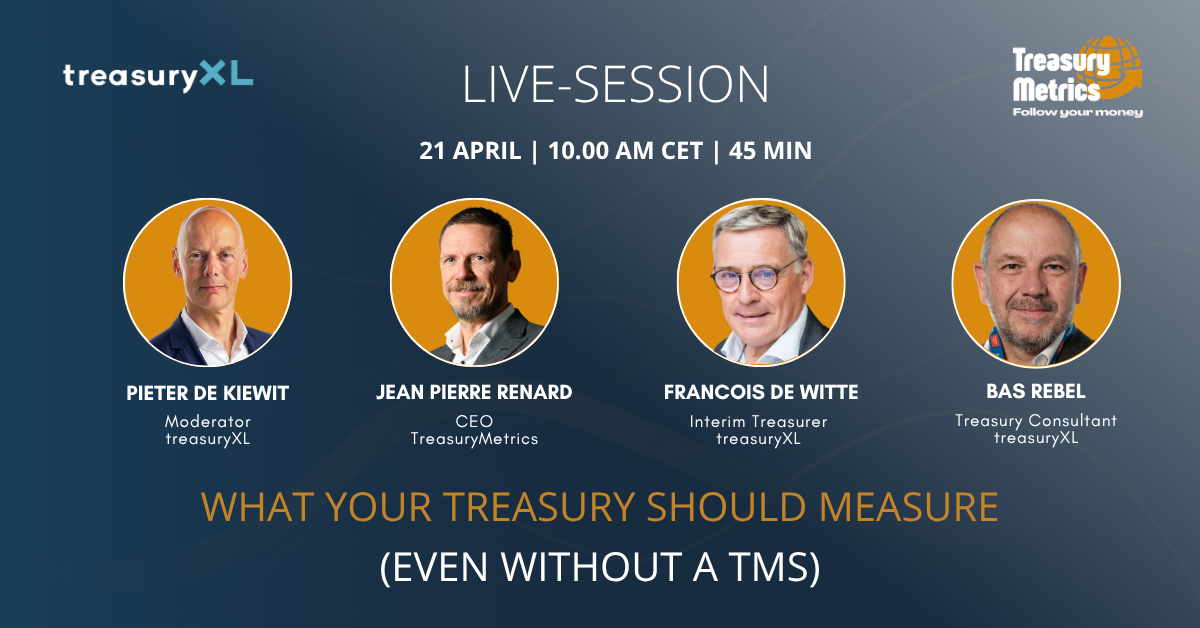
A major shift may finally bring clarity to the Dutch freelance market.
Last Friday, the Dutch cabinet decided to scrap most of the proposed VBAR legislation, which had been in development for several years to clarify the difference between self-employed professionals and employees. The original proposal faced significant criticism from freelancers, clients, and a large part of parliament.
What remains is primarily the income protection component, which is actually a positive step. The hourly threshold has been increased from €33 to €38. Under the new proposal, freelancers earning below €38 per hour will be able to go to court to claim employee status. Importantly, the burden of proof will then lie with the client, who must demonstrate that the professional is genuinely self-employed.
In my view, this change makes the core objective of the legislation much clearer: protecting vulnerable workers from exploitation, while leaving genuine entrepreneurship largely untouched.
The amendment has already been submitted to the House of Representatives. If approved, the expectation is that the new law could come into effect as early as the beginning of next year. This would finally bring more clarity about when someone should be considered self-employed and when they should not.
In the meantime, the current DBA framework remains in place. However, reality has shown that the situation is less dramatic than many initially feared. So far, there are no known court cases involving the Dutch Tax Authority related to fines or reclassification of freelancers. That uncertainty had been one of the main concerns for HR and Legal departments of large organizations when hiring freelancers after January 1st, 2025.
So far, there have been no court cases initiated by or against the Dutch Tax Authority regarding the enforcement of the DBA framework. However, industry reports indicate that a small number of tax assessments have been issued, mainly in the construction and infrastructure sectors. These cases reflect the ongoing monitoring by the authorities but do not suggest widespread issues for freelancers or companies.
Hopefully, this development will help restore calm and confidence in the flexible labor market, while we move toward a clearer and more balanced legal framework for freelancers in the Netherlands.


 https://treasuryxl.com/wp-content/uploads/2024/08/Surecomp-BLOGS-featured-3.png
200
200
treasuryXL
https://treasuryxl.com/wp-content/uploads/2018/07/treasuryXL-logo-300x56.png
treasuryXL2026-03-16 07:00:032026-03-13 17:23:08Africa’s Digital Trade Momentum: Ambition, Reality and the Road Ahead
https://treasuryxl.com/wp-content/uploads/2024/08/Surecomp-BLOGS-featured-3.png
200
200
treasuryXL
https://treasuryxl.com/wp-content/uploads/2018/07/treasuryXL-logo-300x56.png
treasuryXL2026-03-16 07:00:032026-03-13 17:23:08Africa’s Digital Trade Momentum: Ambition, Reality and the Road Ahead https://treasuryxl.com/wp-content/uploads/2024/07/Surecomp-BLOGS-featured-2.png
200
200
treasuryXL
https://treasuryxl.com/wp-content/uploads/2018/07/treasuryXL-logo-300x56.png
treasuryXL2026-03-04 09:00:482026-03-04 07:45:37Surecomp Appoints Ilan Buganim as Chief Executive Officer to Steer Global Growth
https://treasuryxl.com/wp-content/uploads/2024/07/Surecomp-BLOGS-featured-2.png
200
200
treasuryXL
https://treasuryxl.com/wp-content/uploads/2018/07/treasuryXL-logo-300x56.png
treasuryXL2026-03-04 09:00:482026-03-04 07:45:37Surecomp Appoints Ilan Buganim as Chief Executive Officer to Steer Global Growth